
Seven Minutes Into a Promise Made in Summer
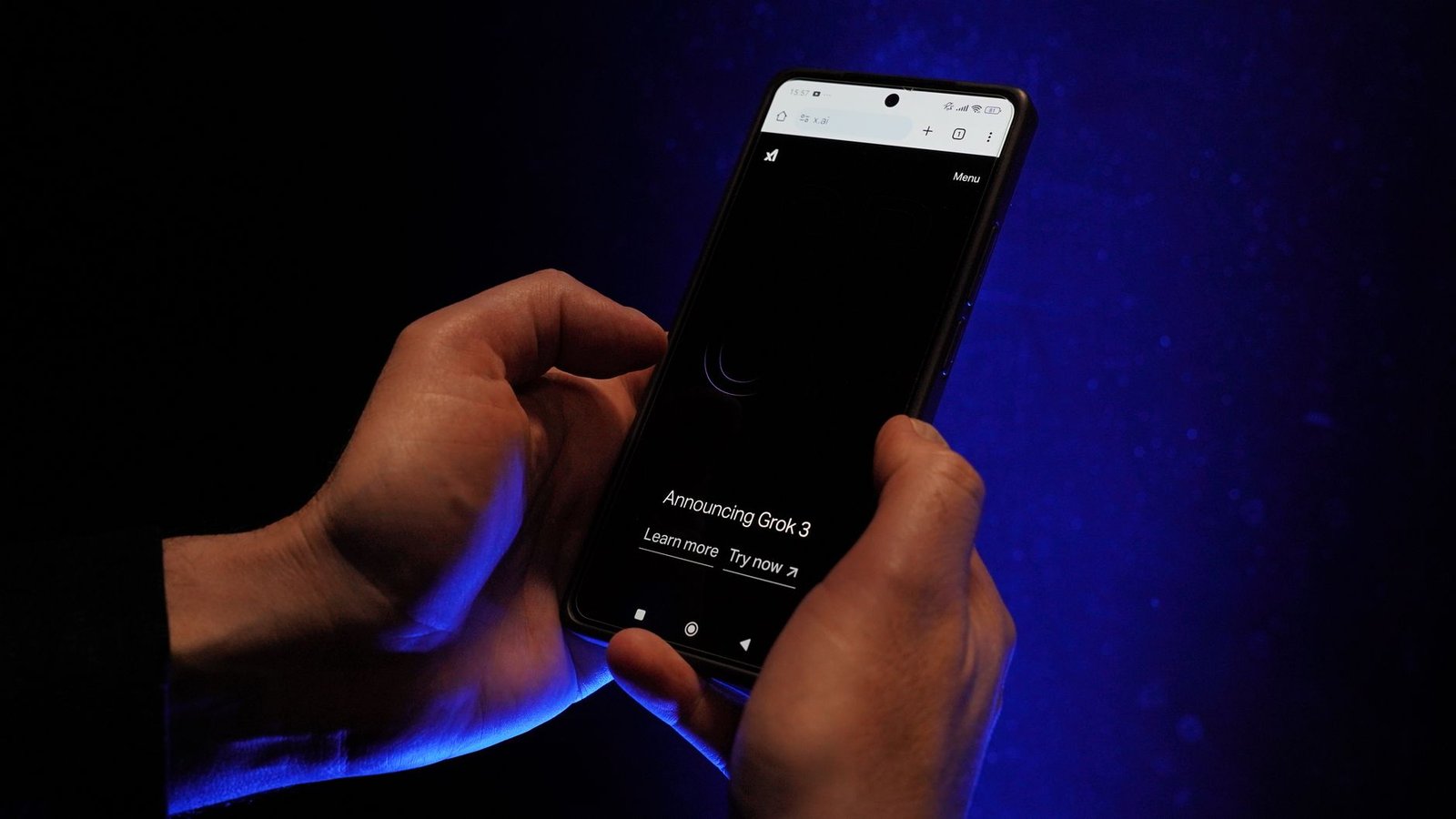
Three months after Elon Musk announced that Grok would produce a full-length, historically accurate version of The Odyssey, the company has delivered something much smaller: a seven-minute opening it calls Episode 1. The gap between the original pledge and this teaser is worth noticing. Generative video has advanced quickly, but the distance between a striking clip and a sustained, watchable story remains wide.
The contrast with Christopher Nolan’s own Odyssey could hardly be sharper. Nolan’s film, released in July, relied on practical filmmaking across six countries and a crew of thousands, and it became a box office success that sold out IMAX screenings for months. Nolan has long described himself as a techno-skeptic, and his film doubled as a quiet argument for human craft at a time when studios are racing to automate production. Grok’s project arrives as a direct answer to that argument, though it is not clear the answer lands.
What the Footage Gets Right and Where It Stalls
To be fair, the technical achievement is real. Some shots of actors sailing across open water are convincing enough that a casual viewer might not immediately question them. Visual fidelity has improved faster than many industry observers expected even two years ago, and that progress matters for previsualization, advertising, and independent creators with small budgets.
The weaknesses, however, sit in the places that define narrative film. The dialogue is stilted, the pacing drags through a long voiceover backstory, and the characters lack any emotional pull. A viewer is left with impressive surfaces but little reason to care what happens beneath them. This is the central challenge for AI-generated storytelling: models can render a sea, but they still struggle to build tension, rhythm, and interiority across time. Seven minutes is already long for a model to hold coherence, and the footage shows where that coherence begins to fray.
Why Buyers and Creators Should Read This Carefully
For anyone evaluating AI video tools, whether as a studio, a marketer, or an individual creator, the Grok teaser is a useful benchmark rather than a verdict. It suggests that current tools excel at short, bounded visual sequences and falter when asked to sustain meaning across a longer runtime. Buyers should expect strong results for trailers, concept reels, and social clips, while treating feature-length claims with healthy skepticism until the output holds attention on its own terms.
That skepticism is also a signal for purchasing decisions. Consumer and business demand for AI video is growing fast, and every credible demonstration shapes what people are willing to pay for and which platforms they trust. When a flagship demo draws a mixed reception, buyers tend to slow their commitments and compare tools more rigorously. Watch for the next episode not as a spectacle, but as evidence of whether AI video is maturing toward the kind of reliable product that converts curiosity into lasting adoption.