

Apple has never been a company that moves fast and breaks things. It moves deliberately, quietly, and with considerable confidence. That is why the news of more than 200 job cuts spread across its Siri, Vision Pro, and Intelligent Systems Experience teams carries real weight. This is not routine trimming. This is a strategic signal about where Apple believes the next chapter of its business actually lives.
A Struggling Headset and a Stalled Voice Assistant
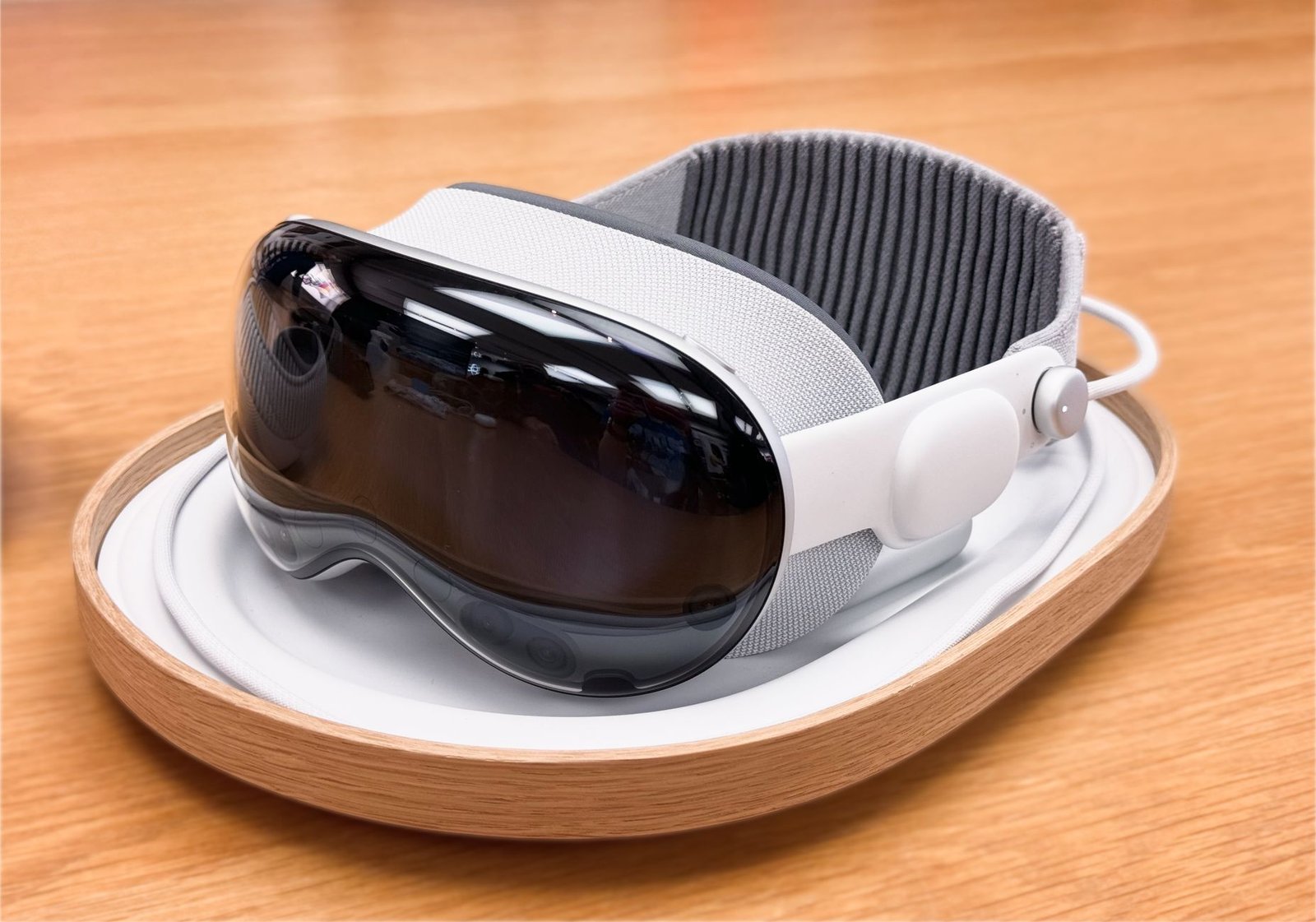
The Vision Pro has had a difficult road since its launch. Priced at $3,499, it impressed critics but failed to create the kind of consumer momentum Apple typically generates around a new product category. Cutting roughly 100 positions from that team suggests the company is recalibrating its expectations, or at minimum, slowing investment while it figures out a clearer path forward for spatial computing.
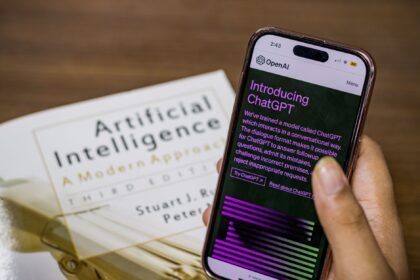
The Siri cuts tell a different but equally revealing story. Siri has long been criticized as the weakest major voice assistant on the market, consistently outperformed by competitors from Google and Amazon. With around 100 roles eliminated from Siri and the adjacent Intelligent Systems Experience group, Apple appears to be consolidating rather than expanding, pulling resources toward newer AI initiatives that may represent a more coherent product vision.
Apple Is Betting on a Different Kind of AI Future
Apple confirmed the restructuring, framing it as an effort to evolve its business and deliver better user experiences. New roles will be created, the company said, even as existing ones disappear. Reading between the lines, Apple is shifting its AI investment from legacy voice interface work toward deeper, more integrated artificial intelligence across its hardware ecosystem.
This matters because Apple is navigating real financial pressure at the same time. A global memory shortage driven by surging AI chip demand has pushed up the cost of components, prompting Apple to raise prices on Macs and iPads earlier this year. The company has also introduced hardware leasing plans to keep products accessible as prices climb. Internally, Apple is even in a legal dispute with OpenAI over alleged trade theft, adding another layer of tension to its AI positioning.
The broader AI race is brutal. Google, Microsoft, and Amazon have all moved aggressively, and Apple needs a sharper, more cohesive strategy to remain competitive in the intelligence layer that will define devices over the next decade.
What This Means for Consumers Watching Apple Products
For anyone considering an Apple purchase right now, these layoffs are worth watching closely. The Vision Pro’s reduced team signals that a next-generation version may be further off than expected, making now a risky time to invest in that platform. Meanwhile, Siri improvements may slow in the short term before accelerating under a restructured team. If you are evaluating Apple hardware for productivity, creative work, or smart home integration, understanding where Apple is concentrating its development energy will directly shape which products deliver the most value in the next 12 to 18 months.