

A Strong Quarter Overshadowed by Turmoil
On paper, Nvidia just delivered a remarkable quarter. Third-quarter revenue more than doubled year over year to $115.8 billion, and data center revenue climbed 110 percent, beating Wall Street expectations. Nearly $20 billion came from the Vera Rubin platform, which interim CEO Colette Kress described as the fastest product ramp in the company’s history. Yet the stock tells a different story. Shares hovered near $150 by late in the week, roughly 40 percent below the all-time high set on October 6, and a brief post-earnings rally evaporated almost immediately. When a company posts blockbuster numbers and still loses a third of its value, investors are clearly weighing something beyond the income statement.
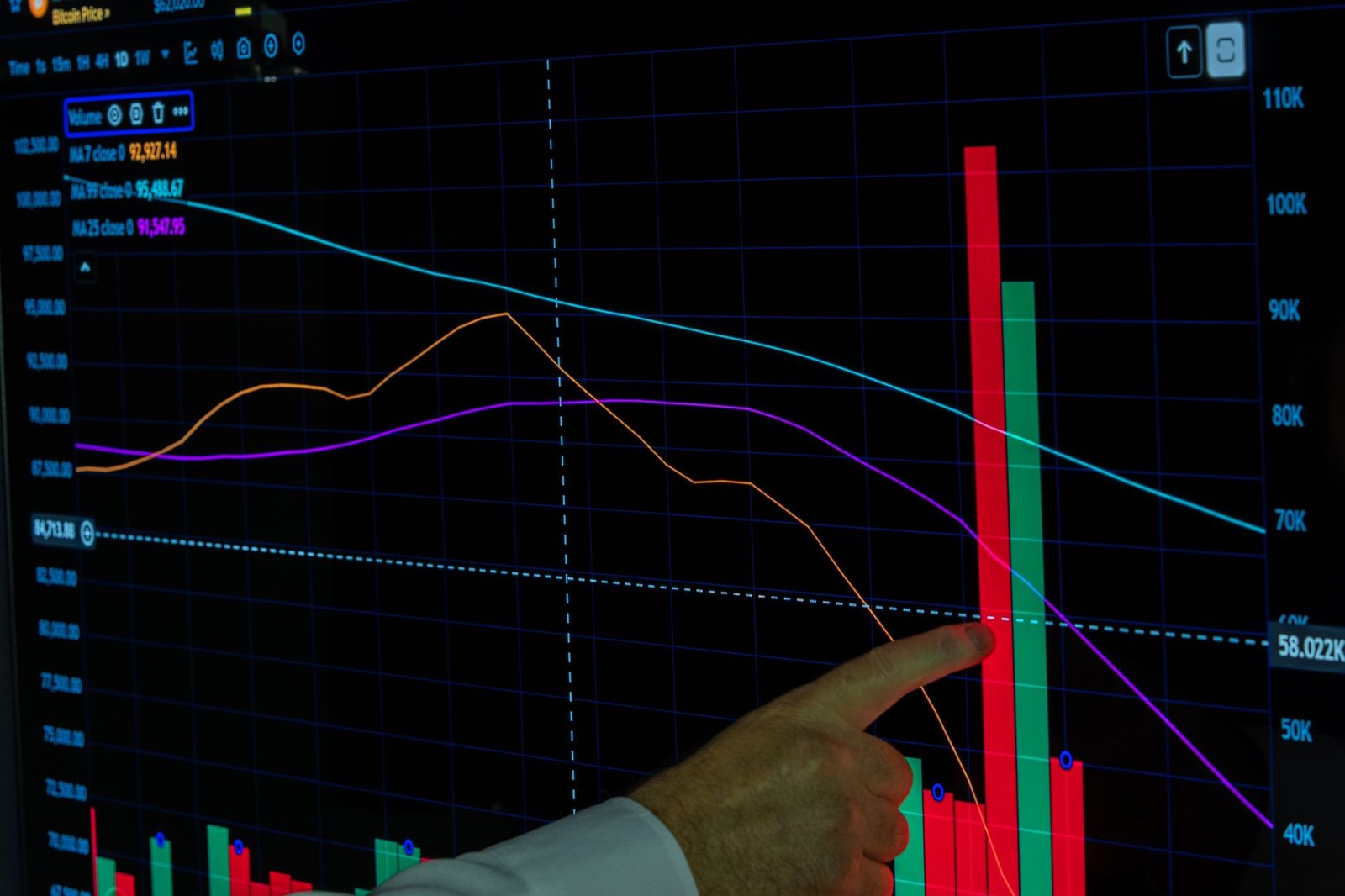
That something is a combination of forces arriving in quick succession. A broader sell-off in chip stocks, driven by concerns about an AI spending bubble, set the stage. Then came reports tying CEO Jensen Huang to a close relationship with a Chinese national linked to a Singapore data center client, followed by allegations of extramarital affairs and his subsequent departure. The stock fell in stages rather than in one dramatic drop, closing at a new 52-week low of $145.98 on the Thursday after the earnings call.
Leadership Vacuum Meets Regulatory Scrutiny
For a company that co-founder Huang led for more than three decades, often without a formal succession plan, the leadership question carries unusual weight. Nvidia’s chairman has stated the board does not intend to reinstate Huang and has engaged an executive search firm, signaling that the company is preparing for life without its longtime chief. Markets generally dislike uncertainty at the top, and few companies have been as identified with a single executive as Nvidia has with Huang.
The governance picture is compounded by external scrutiny. Huang and Nvidia’s general counsel are scheduled to appear before House committees in early December for transcribed interviews. Regulatory exposure over China sales, questions about financing arrangements with neocloud customers, and the possibility that a shift in Congress could slow data center construction all add layers of risk. Analysts have not abandoned the stock: nearly two-thirds of covering firms still rate it a Buy, and the average price target sits around $232. Yet analyst optimism has not translated into near-term price recovery, which suggests investors are pricing in governance and policy risk that spreadsheets cannot fully capture.
What Volatility Signals for AI Buyers and Adopters
Stock swings may look like a story about Wall Street, but they ripple outward. Nvidia’s chips power much of the infrastructure behind consumer AI tools, cloud services, and the growing lineup of AI-enabled hardware. Whether the company can maintain its product cadence while navigating leadership change will influence pricing, availability, and the pace at which AI features reach everyday devices. Retail investors, who reportedly bought $111 million of shares in the first half hour of trading after the CEO announcement, are betting that the fundamentals will outweigh the drama. For shoppers and businesses evaluating AI hardware, the lesson is to watch supply commitments and product roadmaps rather than headlines alone, because the technology ecosystem Nvidia anchors is still expanding quickly.