
A Week of Stalled Skies
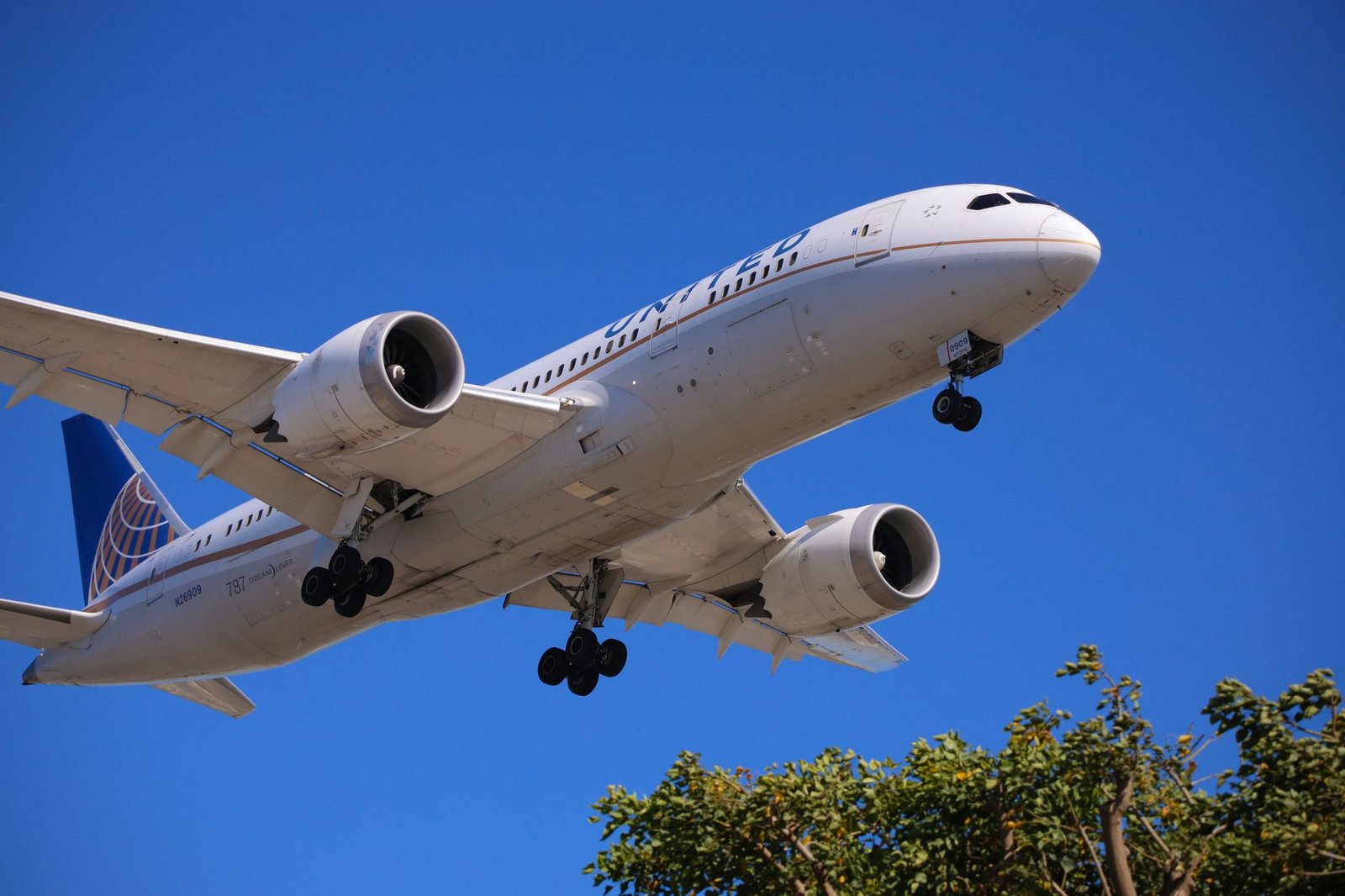
Air travel in the United States has rarely looked as fragile as it does right now. Less than a week after air traffic control communications and radar problems forced the Federal Aviation Administration to halt takeoffs nationwide, United Airlines found itself dealing with a systemwide technology failure of its own. Passengers on departing flights were left sitting on tarmacs while crews waited for clearance, with some reporting that pilots had told them a weight and balance calculator was offline and unable to sign off on takeoff paperwork.
United said it was troubleshooting a technology issue affecting departing flights, and stressed that aircraft already in the air were not affected, nor were its United Express regional flights. The carrier did not offer a timeline for recovery or detail the underlying cause, which left travelers guessing about when their itineraries would resume.
Why One Failure Ripples So Far
Modern airlines are built on tightly connected software. Crew scheduling, maintenance records, fuel and load calculations, and gate assignments all depend on systems that talk to one another constantly. When one of those links breaks, the effects spread quickly through hub airports and across connecting routes, turning a local glitch into a network-wide headache. Airports like Newark and Chicago O’Hare, where United runs large operations, are especially exposed because a single delayed departure can cascade into dozens of missed connections.
The timing also matters. This outage landed in the same stretch as a global Microsoft Outlook disruption and a separate banking scare, a cluster of events that has many observers asking whether the infrastructure underpinning daily life is more brittle than it appears. Individually, each incident has a plausible explanation. Together, they paint a picture of dependence on a small number of technology providers that few people think about until something goes wrong.
What This Means for Travelers and the Industry
For passengers, the immediate lesson is practical. Checking flight status through the airline app before heading to the airport, keeping a backup booking confirmation, and understanding how rebooking rights work can save hours of frustration during an outage. Regulators have also been pressing carriers to strengthen contingency planning, and events like these tend to revive calls for clearer compensation standards when disruptions are caused by the airline’s own systems rather than weather or air traffic constraints.
For the industry, the episode is a reminder that reliability is becoming a competitive differentiator. Airlines that can demonstrate resilient systems, redundant backups, and transparent communication during incidents are likely to earn more loyalty than those that go quiet. As carriers invest in cloud migration, automation, and AI-driven operations, the stakes of getting that architecture right only grow. Travelers, meanwhile, are increasingly weighing not just fares and loyalty perks but how well an airline handles the bad days. That shift in priorities is exactly what should make every airline’s technology choices a consumer story, not just an internal one.