
A Tool Built for Speed Meets a Question of Scope
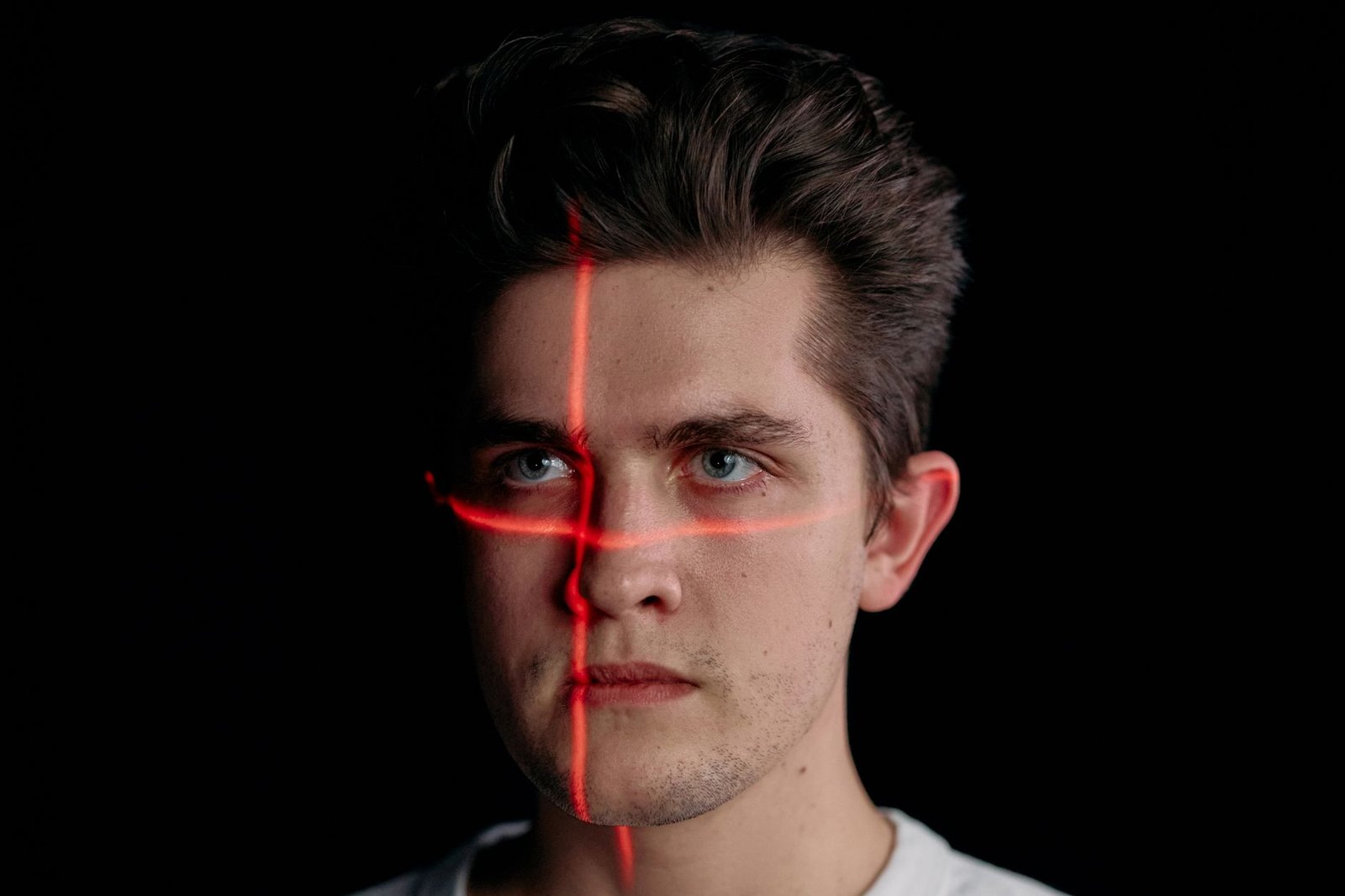
The UK government is preparing to deploy live facial recognition cameras across transport hubs and public events as part of what is being described as the largest immigration enforcement effort in British history. Policy documents reveal that the Home Office has been building a programme to use the technology for general immigration enforcement, not just for serious criminal cases. That distinction matters. Watchlists could include people who have overstayed a visa or entered the country without permission, both of which are civil rather than criminal matters.
The Home Office argues that the cameras will help locate people without valid documentation so their cases can be resolved, and that this approach is less disruptive than repeated raids at homes and workplaces. It is a reasonable argument on its face. Street-level sweeps and door-to-door visits are visible, stressful, and often affect neighbours and bystanders who have no connection to the case. A camera at a station entrance is quieter. Yet quieter does not mean narrower, and the documents leave key terms such as “events” and “heightened community sensitivity” undefined.
The Accuracy Problem Does Not Go Away
Facial recognition has a well-documented record of higher error rates for some demographic groups, particularly people with darker skin tones and women. Independent testing in recent years has repeatedly found that misidentification risks rise in crowded, poorly lit, or fast-moving settings, which describes most train stations and festivals. A false match in an immigration context is not a minor inconvenience. It can mean detention, questioning, and a lasting record for someone who did nothing wrong.
The government has also faced criticism over its existing tools. Earlier this year it emerged that the Home Office continued using an AI facial-age estimation system even though it had misidentified child migrants as adults. The policy documents say no one under 18 will be placed on a watchlist, but critics point out that the broader trust deficit makes such assurances harder to accept at face value. Campaigners from civil liberties groups have described the expansion as a serious escalation of mass surveillance, while officials stress that the technology is subject to oversight from the Information Commissioner’s Office and the biometrics and surveillance camera commissioner.
A Regulatory Gap Worth Watching
One of the more striking details is the admission from the biometrics commissioner, William Webster, that he was not consulted and that immigration use falls outside his remit. He has said the spread of facial recognition into different public service contexts raises important questions about the scope of existing oversight. Britain still lacks a comprehensive national law governing facial recognition in public spaces, and a forthcoming legislative framework is expected to address that gap. Until it arrives, the rules applied to each deployment depend heavily on which agency is doing the scanning and why. For the public, that patchwork is difficult to follow and harder to challenge.
For ordinary consumers, this story is more than a political debate. Public acceptance of biometric technology shapes what people are willing to buy and use, from airport e-gates and phone face unlock to smart doorbells and retail analytics. When a government expands facial recognition without clear public consent, it can erode trust in the entire category, and that hesitation often spills over into purchasing decisions. Companies selling biometric products should expect buyers to ask tougher questions about accuracy, data retention, and bias testing. Shoppers weighing a new device with face-based security may find themselves reading privacy policies more closely than before. The technology is advancing quickly, but how Britain handles this rollout will influence whether consumers feel ready to embrace it or hold back.