
A Sharp Drop in Phone Demand
Few companies depend on the smartphone as heavily as Qualcomm. For decades its mobile processors and modem technology have anchored the business, powering flagship devices across nearly every major Android brand. That dependence is now becoming a liability. Smartphone sales have fallen roughly 20 percent compared with 2025, a decline steep enough to force even a dominant chipmaker to rethink its long-term growth story. During its fourth-quarter 2026 earnings call, Qualcomm made clear that it no longer sees handsets as the engine of its future.
The numbers behind the shift are striking. Qualcomm reported total revenue of $10.4 billion for 2026, and it is now betting that data center chips will reshape that picture. The company forecasts about $650 million in data center revenue for the first quarter of 2027, rising to $5 billion by the end of that year and $15 billion by 2029. Those projections would turn a side business into one of the company’s largest revenue streams within a few years, and they reflect how quickly the AI infrastructure market has grown.
Why Data Centers Are the Bigger Opportunity
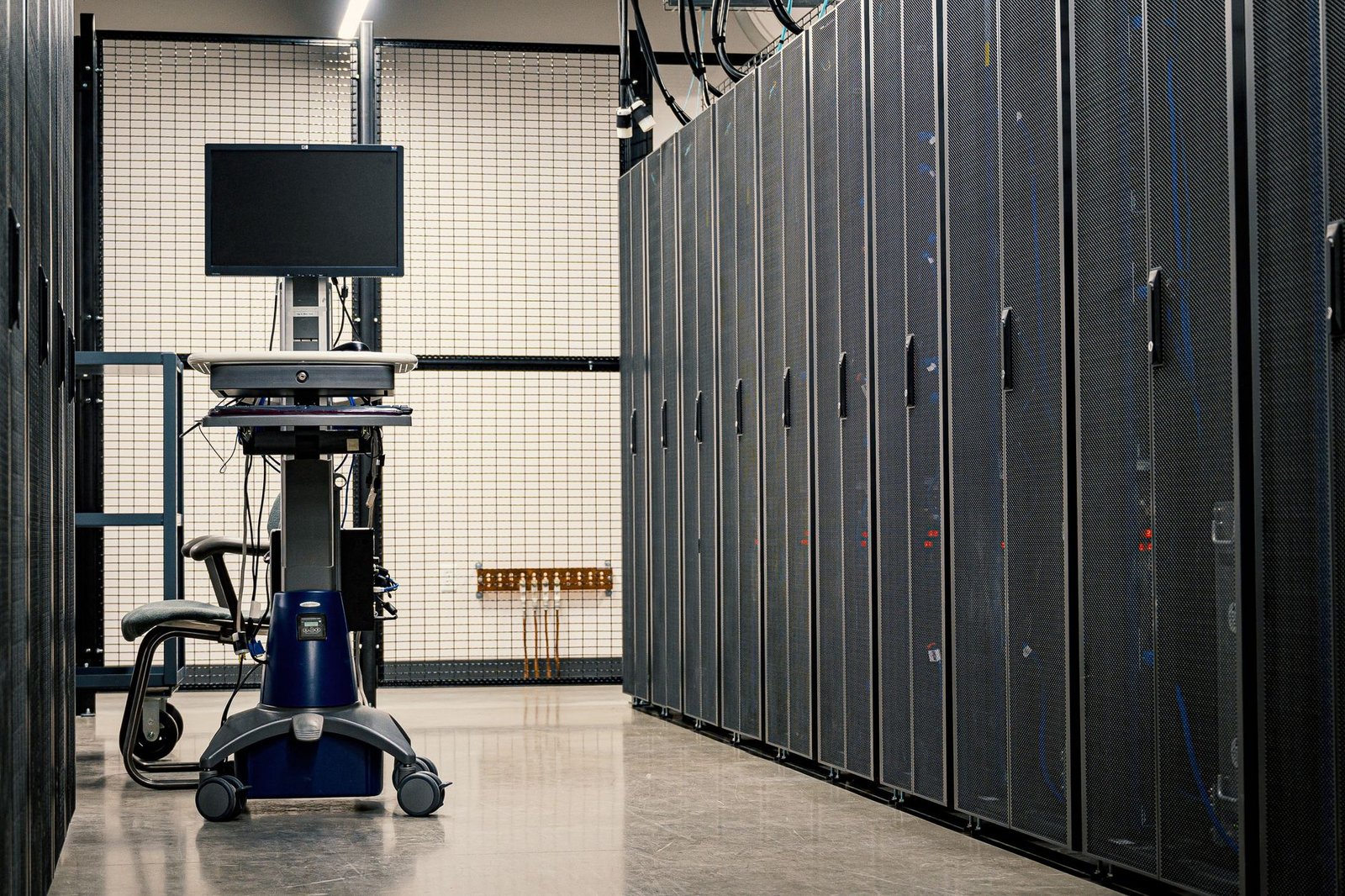
The appeal of data centers is easy to understand. Hyperscale operators are spending heavily on processors that can run AI workloads efficiently, and power consumption has become a central concern as those facilities expand. Qualcomm has built its reputation on performance per watt in mobile devices, and it is now trying to carry that expertise into server-class hardware. Partnerships with Amazon and Meta, announced earlier in 2026, give the company credibility with large buyers that are constantly searching for alternatives to incumbent suppliers.
Qualcomm is also not the only chipmaker making this move. Advanced Micro Devices expects data centers to eventually generate more than 80 percent of its revenue, a far more aggressive target than Qualcomm’s stated 30 percent. Even so, Qualcomm’s projection signals that the AI boom is pulling diversified chip companies toward servers as consumer electronics markets soften. For an industry that once revolved around the phone, the center of gravity is clearly moving.
What the Pivot Means for Consumers and the Market
There is a tradeoff in this strategy. Qualcomm must execute well in an unfamiliar market where entrenched competitors have deep relationships and years of software optimization behind them. If the data center push stalls, the company could be left with a shrinking handset business and an unproven replacement. Investors will be watching closely whether the forecasted ramp arrives on schedule, especially given how volatile AI infrastructure spending has been.
For ordinary buyers, the shift has indirect effects. Slower phone demand may influence how aggressively manufacturers price new models and how quickly they refresh their lineups. Meanwhile, the AI race is accelerating adoption of on-device intelligence, and chipmakers that succeed in servers may bring that expertise back to laptops, tablets, and phones. Consumers researching their next device should pay attention to these chip roadmaps, because the processors shaping tomorrow’s data centers often influence the features and performance of tomorrow’s gadgets. As Qualcomm rebalances its business, the buying decisions people make today will help determine which technologies reach the mainstream first.