
Why the Name Is Rough but the Hardware Is Not
Apple has never been shy about rebranding familiar technology with a catchy label, and PROLED XDR is a prime example. Strip away the marketing and you are looking at an OLED panel, the same family of display that lives in many high-end phones and tablets. Still, it would be unfair to dismiss the screen because of its name. The specs are genuinely impressive, and they seem to be aimed squarely at people who earn a living staring at pixels all day.
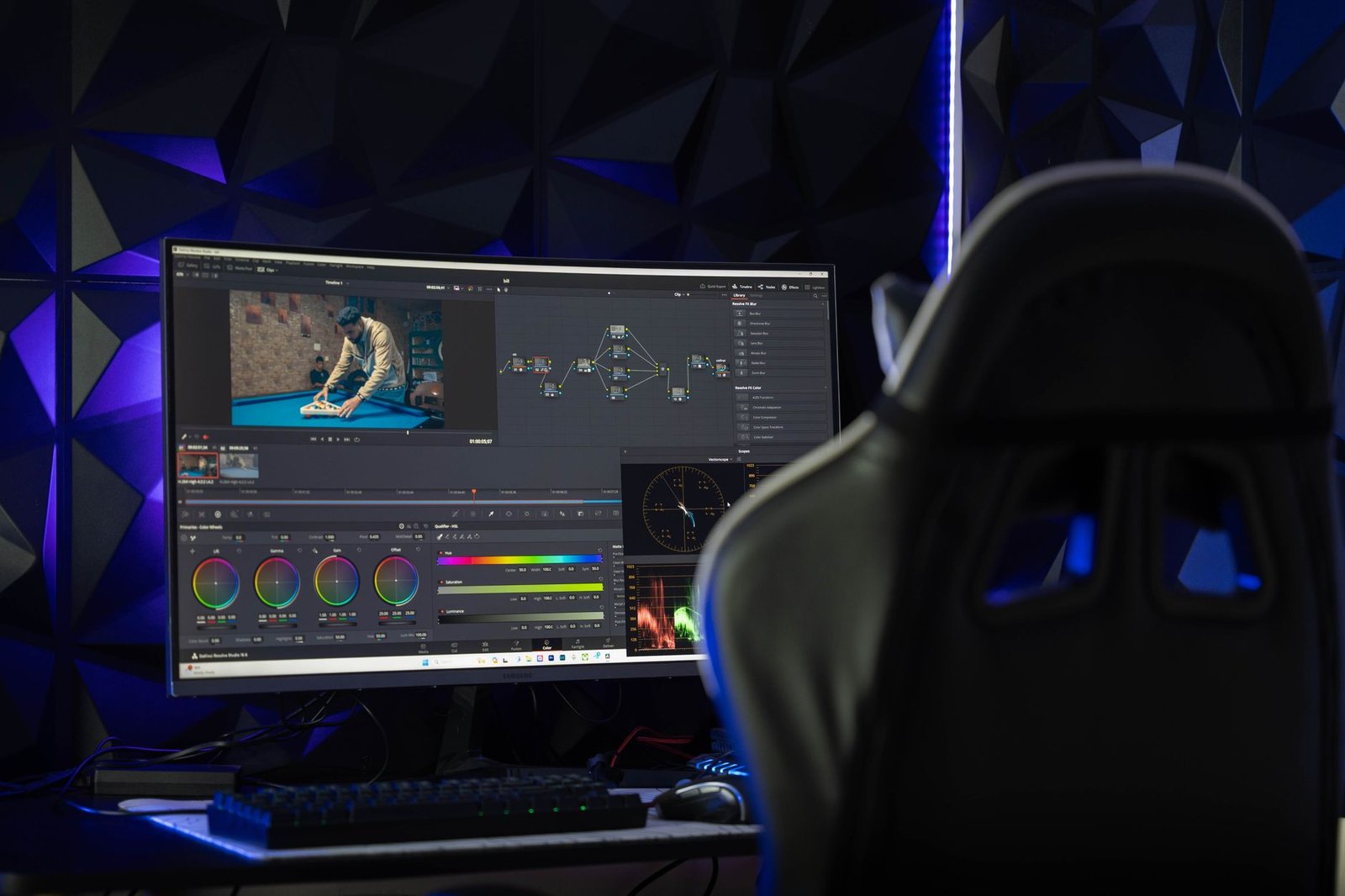
The “PRO” part of the label is the piece that actually earns its keep. These new MacBook Pros are built for photographers, illustrators, colorists, and video editors who want a touchscreen that can keep up with demanding work. If you have ever tried to grade footage on a dim laptop panel or watched shadows vanish on a screen that cannot show true blacks, you already know why a better display matters.
The Tech Behind the Brightness and Contrast
The headline numbers are hard to ignore. Apple says the new panels reach up to 2,000 nits of peak HDR brightness, up from 1,600 nits on the current Mini LED models. That would put it at or above nearly every OLED laptop currently on the market. Contrast is equally striking, with Apple claiming a 10,000,000:1 ratio. OLED has always excelled here because each pixel can switch off completely, producing deep blacks next to bright highlights, and this design pushes that advantage further.
Apple is using tandem OLED, a design that stacks multiple organic layers into one panel. Those layers help deliver higher peak brightness, better viewing angles, and a lower risk of burn-in. Panel lifespan is also expected to improve, which matters for a device many people plan to keep for years. Color performance looks just as strong, with coverage of both P3 and Adobe RGB, plus about 80 percent of the Rec.2020 gamut for HDR color grading. For creators, that kind of coverage means what you see on screen is much closer to what your audience will see on their own devices.
Is It Worth the Premium?
Here is the honest part. The new MacBook Pros with this display start at a $400 premium, which is a real jump. For casual users who mainly browse, stream, and write emails, the upgrade will be hard to justify. The current Mini LED screens already look excellent, and most people will never notice the difference in daily tasks. The extra money makes far more sense for anyone whose income depends on color accuracy and HDR work, where even small improvements can save hours of editing or reduce costly mistakes.
For shoppers weighing a purchase, the bigger question is whether you need these specific features today or can wait for the technology to trickle down to cheaper models, as Apple often does. If you are a creator upgrading an aging machine, this display is one of the strongest reasons to pull the trigger. If you are not, there is no shame in saving your money. Either way, this launch is a clear sign that OLED is becoming a serious option for professional laptops, and that is good news for buyers who have been waiting for a reason to commit.