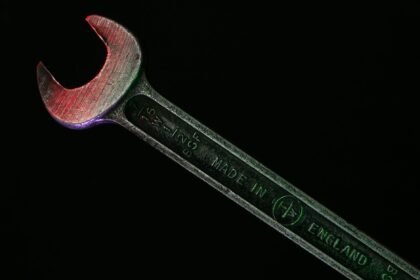

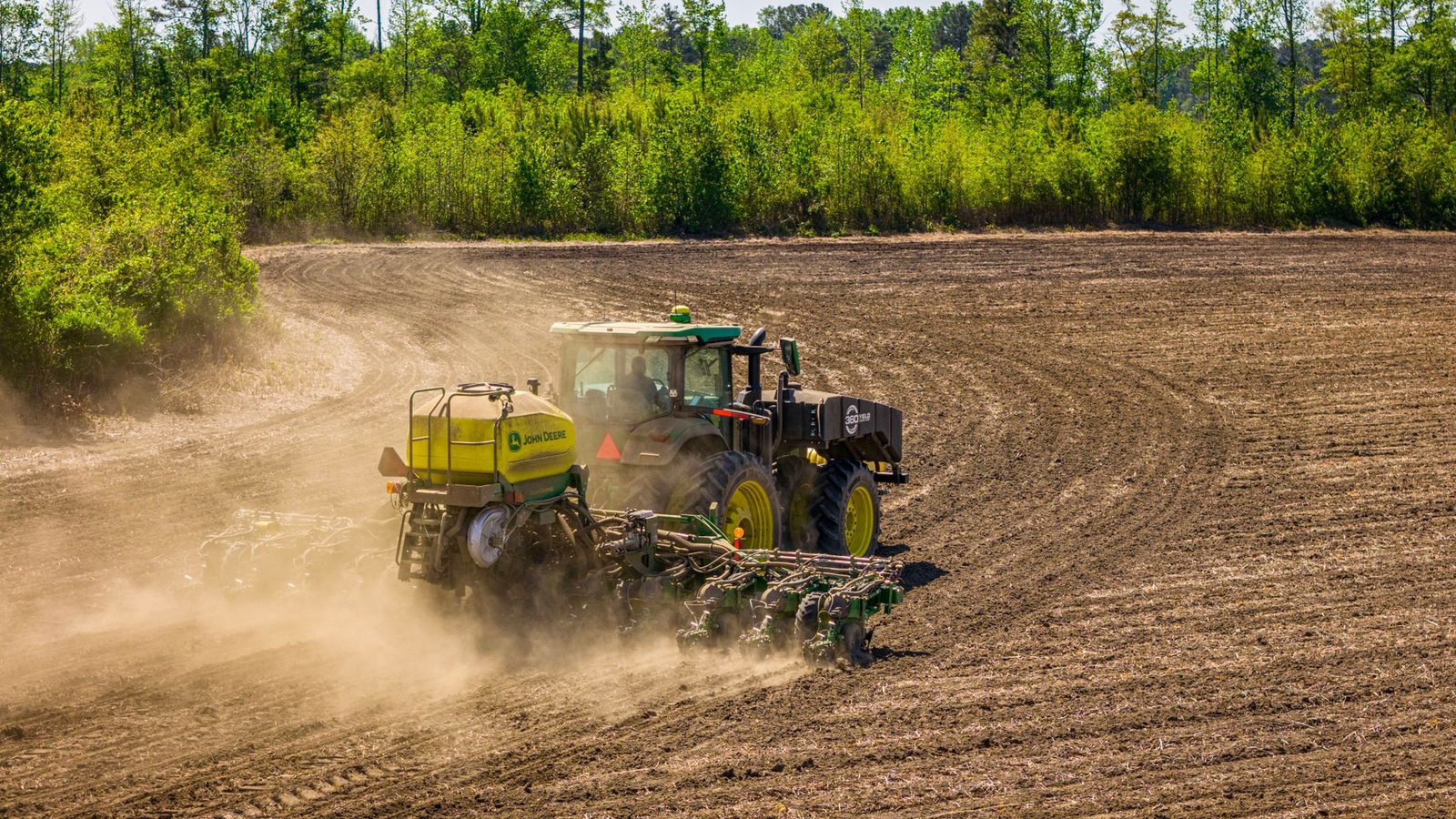

For decades, farmers have been locked out of their own machines. A tractor breaks down in the middle of a harvest, and instead of grabbing a wrench and getting to work, they have to wait days for an authorized technician to show up. That frustration has fueled one of the biggest right-to-repair battles in modern agriculture. Now John Deere is rolling out a self-repair software service, and the early hands-on experience with it is genuinely promising, even if the farming community has not fully warmed up to it yet.
What the Self-Repair Software Actually Does
The system works by connecting a laptop directly to the tractor via a cable. Once linked, the software reads diagnostic codes from the machine in real time and surfaces relevant instructions and images pulled directly from the service manual tied to that specific serial number. In a test scenario involving a disconnected water-in-fuel sensor on a 5130ML tractor, the software flagged the problem immediately with a clear red alert, then walked the user through the fix step by step. No prior mechanical experience was needed to navigate the interface. The experience was intuitive, fast, and remarkably approachable, which matters enormously when you consider that many farm operations run lean on labor and even leaner on time.
Why Farmers Are Still Skeptical
Here is where things get complicated. The right-to-repair movement has been pushing hard for full, unrestricted access to repair tools and diagnostic software, and John Deere’s solution still comes with limitations that concern independent mechanics and farm owners. Access to the platform is not entirely open, and critics argue that the company controls too much of the repair ecosystem to call this a genuine win for consumer autonomy. A 2023 agreement between John Deere and the American Farm Bureau Federation promised expanded repair access, but advocates say implementation has been slow and incomplete. Farmers who have spent years working around proprietary software restrictions are understandably cautious about trusting a system that the manufacturer still controls.
The Bigger Picture for Agricultural Technology
This moment sits at the intersection of two massive trends: the rapid digitization of farm equipment and growing consumer demand for ownership that actually means something. Modern tractors are essentially computers on wheels, loaded with sensors, GPS systems, and machine learning tools that can optimize planting and fuel efficiency. The question is who gets to look under the hood, literally and digitally. John Deere’s self-repair tool is a meaningful step, but it is one step in a much longer journey toward true repairability.
If you are evaluating agricultural equipment or farm tech right now, repairability should sit near the top of your checklist alongside price and performance. Tools like this signal that manufacturers are feeling the pressure to open up, and buyers who prioritize long-term ownership costs will want to watch how this space evolves before making a major investment.