
The Gap Between Bold Promises and Lab Benches
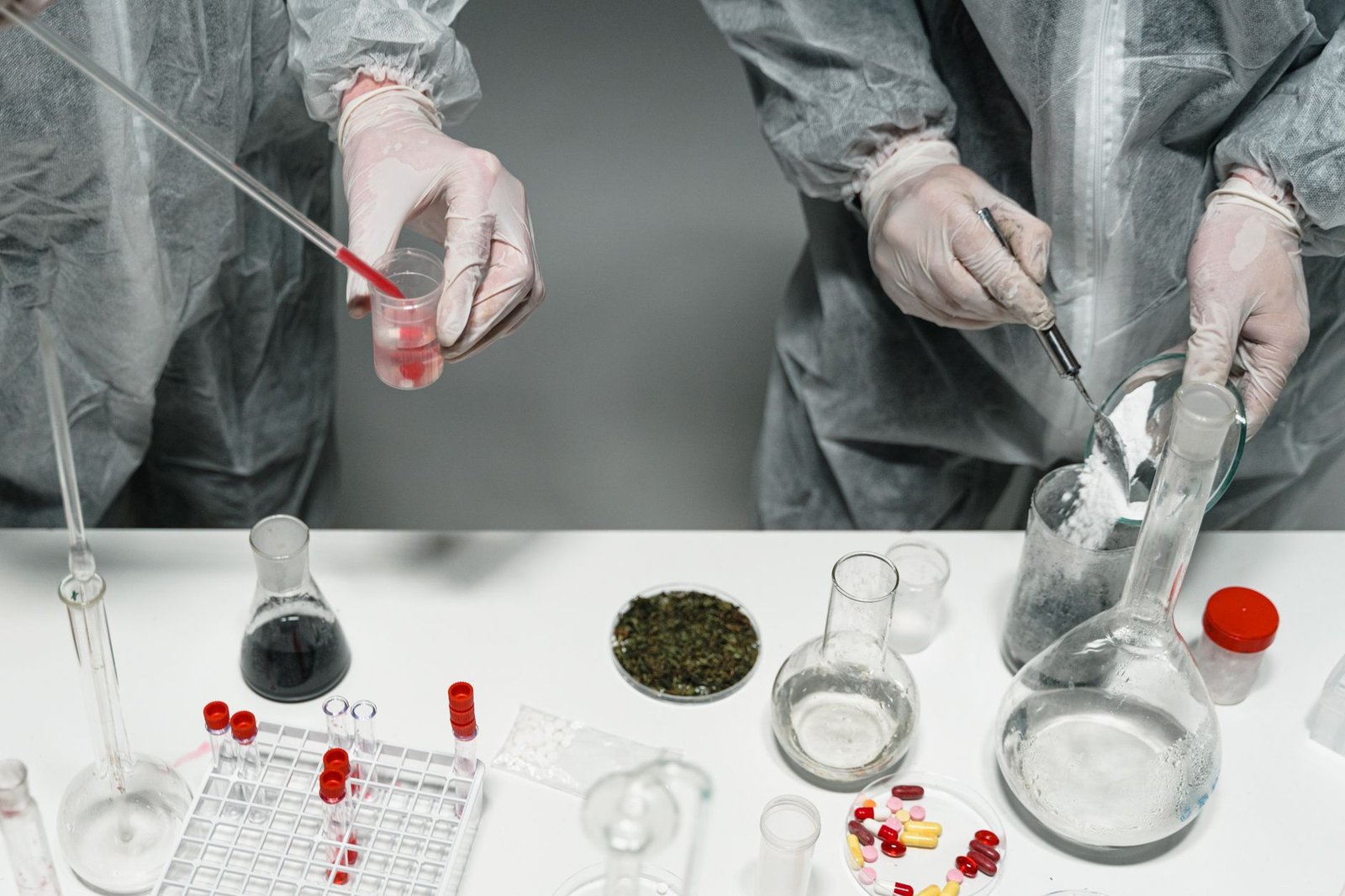
For years, Anthropic and its chief executive Dario Amodei have spoken about artificial intelligence with almost evangelical confidence. Models would compress decades of biological research into a few years, cure most human diseases within a decade, and flood the market with AI-accelerated drugs. Then the company filed its IPO paperwork, and the tone shifted noticeably. The document acknowledges that Anthropic lacks hands-on experience in physical experimentation, and it concedes that handling hazardous materials, running lab equipment, and navigating a thicket of regulations are activities far outside its software-first history.
That candor matters. A securities filing carries legal weight, and companies tend to overstate their prospects in public statements far more freely than they do in a document regulators will scrutinize. When the same company that promised a thousand years of progress in five to ten years now describes its enzyme discovery as something that “might have the potential” to become a tool, the distance between rhetoric and reality is worth paying attention to.
Why Biology Resists the Software Playbook
Software companies have grown used to iteration measured in hours. Drug development operates on a different clock. Even if a model can rank candidate molecules or flag promising biological targets, every candidate still has to survive test tubes, animal studies, and then multi-phase human trials. Historically, roughly nine out of ten drugs that enter clinical testing fail to reach approval, and the average path from discovery to market spans around a decade and costs well over a billion dollars when failures are counted. No amount of computational speed shortens the time it takes to learn whether a compound is safe in a living body.
The enzyme episode illustrates the point. Outside researchers were skeptical of its value, and one scientist who had studied those exact enzymes questioned whether the model had drawn on his published work. Anthropic says neither its model nor its molecular biology team had access to that material, but the controversy underscores how crowded and scrutinized this field already is. AI-generated claims in biology will face expert review that software demos rarely encounter.
What This Means for the Market and the Buyer
For investors, Anthropic’s filing signals a strategic shift. The company no longer sees itself only as a supplier of AI tools to biotech firms. It now treats biological discovery as a core part of its business, which means it will eventually be judged on pipeline milestones and clinical outcomes rather than model benchmarks. The filing even warns that some discoveries may never generate revenue at all.
For everyday technology adopters, the lesson is equally practical. AI is moving quickly into health, science, and consumer wellness products, and marketing language will keep running ahead of proven results. Shoppers evaluating AI-powered health apps, research assistants, or diagnostic tools should look for validated outcomes, transparent methodology, and regulatory clearance rather than sweeping promises. As AI platforms expand into biology, the buyers who benefit most will be those who separate capability from hype and adopt tools whose claims can actually be verified.