

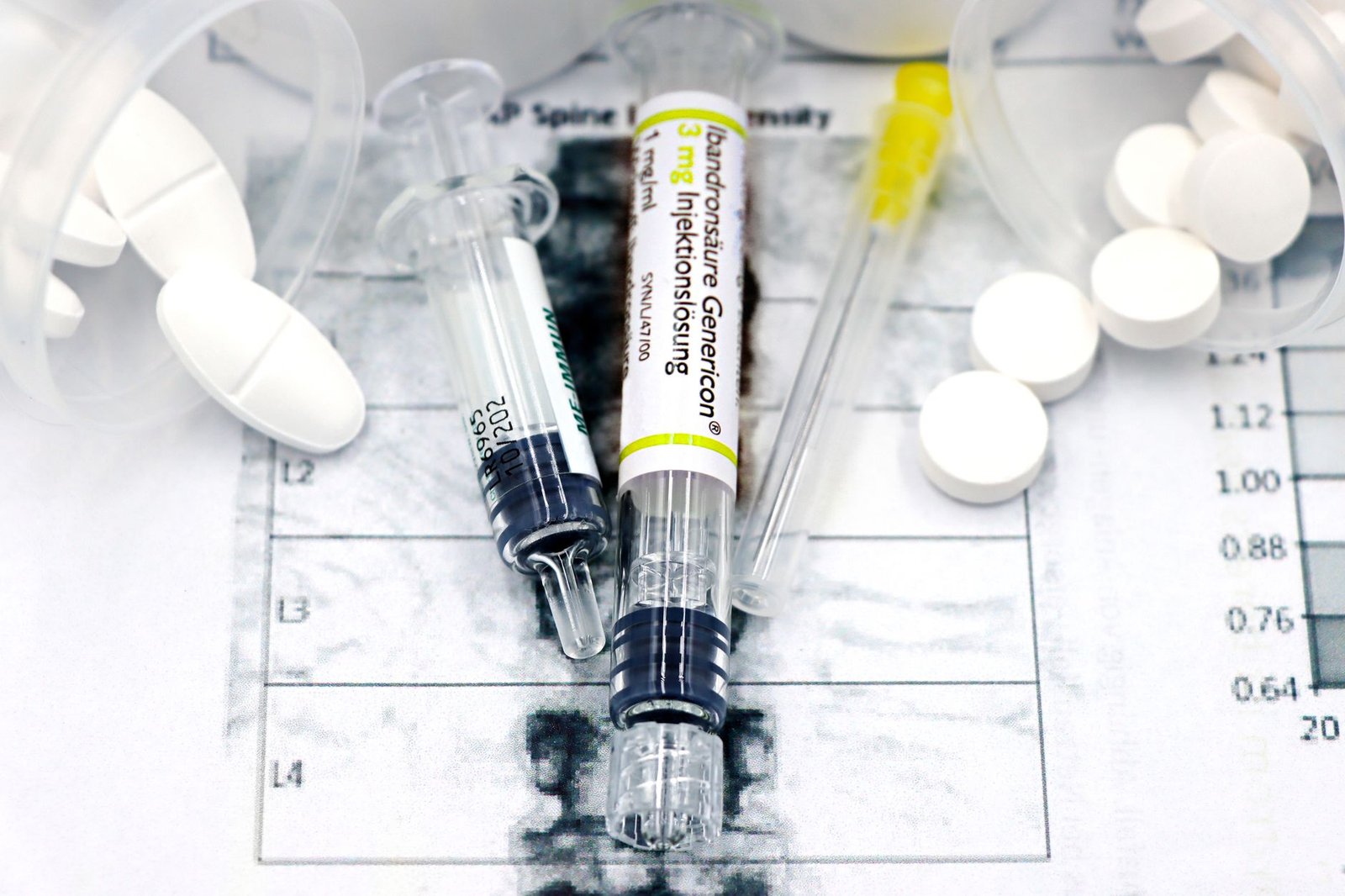

GLP-1 Drugs Are Doing Something Unexpected to the Human Body
Weight-loss medications have already reshaped how millions of people think about metabolic health. Now there is growing evidence that GLP-1 drugs like semaglutide and tirzepatide may be doing something even more profound: slowing biological aging itself. Major pharmaceutical companies behind these treatments are reporting that patients show slower progression on molecular aging clocks, which measure changes in DNA methylation patterns and key protein levels to estimate how fast the body is actually aging versus its calendar age.
This is not a small claim. Biological aging clocks have become one of the most credible tools in longevity science, with research from institutions like the Karolinska Institute and Harvard Medical School validating their predictive power for disease risk and lifespan. If GLP-1 drugs are genuinely influencing these markers, it suggests they may be acting on deep, systemic causes of aging rather than just reducing appetite or improving insulin sensitivity. The implications for the global $27 billion anti-aging market are enormous. That said, these are early signals from drugmakers with commercial interests, and independent long-term trials will be essential before anyone draws firm conclusions.
Carbon Dioxide Batteries Could Unlock Renewable Energy at Scale
On the clean energy front, a company called Energy Dome is proposing a genuinely clever answer to one of renewables’ oldest problems: intermittency. Solar and wind are now among the cheapest sources of new electricity generation globally, but they only produce power when the sun shines or the wind blows. Grid-scale storage has traditionally relied on lithium-ion batteries, pumped hydro, or compressed air in underground caverns, each with significant geographic or cost limitations.
Energy Dome’s approach uses compressed carbon dioxide stored in large dome structures at the surface, requiring no special geology and no exotic minerals. When energy supply exceeds demand, CO2 is compressed and stored. When the grid needs power, the gas expands through turbines to generate electricity. This makes the system potentially deployable almost anywhere in the world, from industrial coastlines to landlocked regions that currently have no viable long-duration storage options. With global energy storage capacity needing to grow tenfold by 2040 according to the International Energy Agency, solutions that sidestep geological and supply-chain constraints deserve serious attention.
What These Breakthroughs Mean for Tech Adoption Right Now
Both stories point to the same underlying shift in consumer and institutional behavior: people are no longer waiting for perfect solutions before making purchasing and lifestyle decisions. Patients are already asking their doctors about GLP-1 medications, and utilities are actively evaluating alternative storage technologies ahead of regulatory mandates on clean energy transitions.
For consumers tracking health technology and clean energy products, these developments signal where real investment and innovation momentum is building. Whether you are researching longevity supplements, wearable health monitors, or home energy storage systems, understanding which technologies have genuine scientific backing versus hype is the foundation of smarter buying decisions in 2025 and beyond.