

Something significant is happening in the smart home space, and it goes well beyond a simple hardware partnership. Apple and LG are reportedly working together on a lineup of connected home devices, including a video doorbell, smart thermostat, deadbolt lock, indoor camera, outdoor security camera, and a floodlight camera. The products will carry LG branding but are built around Apple’s ecosystem, positioning this collaboration as what insiders describe as a second-party development arrangement rather than a standard licensing deal.
Why This Partnership Is More Than a Branding Exercise
The structure of this deal matters. A second-party arrangement means Apple has meaningful influence over how these products are designed and how they behave within its ecosystem. That is a deeper level of integration than most third-party Matter and HomeKit accessories offer today. LG brings decades of consumer electronics manufacturing credibility, while Apple brings software polish and a loyal, high-spending user base. Together, they are targeting a segment of the market that has historically frustrated both companies: the connected home buyer who wants things to just work.
The inclusion of Thread and Matter protocol support across multiple devices is particularly telling. Matter, the cross-platform smart home standard backed by Apple, Google, Amazon, and others, has struggled to gain the kind of momentum its backers hoped for since its 2022 launch. Pairing LG hardware with a formal Apple HomeKit reboot could give Matter the real-world use case it has been missing, especially if Apple’s rumored six-inch wall-mounted hub becomes the central node for all of it.
The Ultra-Wideband Deadbolt Could Be a Breakout Feature
Among all the announced products, the smart deadbolt lock stands out for one specific reason: ultra-wideband technology. UWB allows for precise spatial awareness between devices, meaning the lock could detect when an iPhone-carrying user approaches and unlock automatically without any tap or voice command. Apple has used UWB in AirTags and iPhone-to-iPhone interactions for years, but embedding it in a door lock brings that precision into a genuinely practical, daily-use scenario. For households already invested in Apple devices, this feature alone could be a compelling upgrade from existing smart lock options on the market.
What This Means for Buyers Considering a Smart Home Upgrade
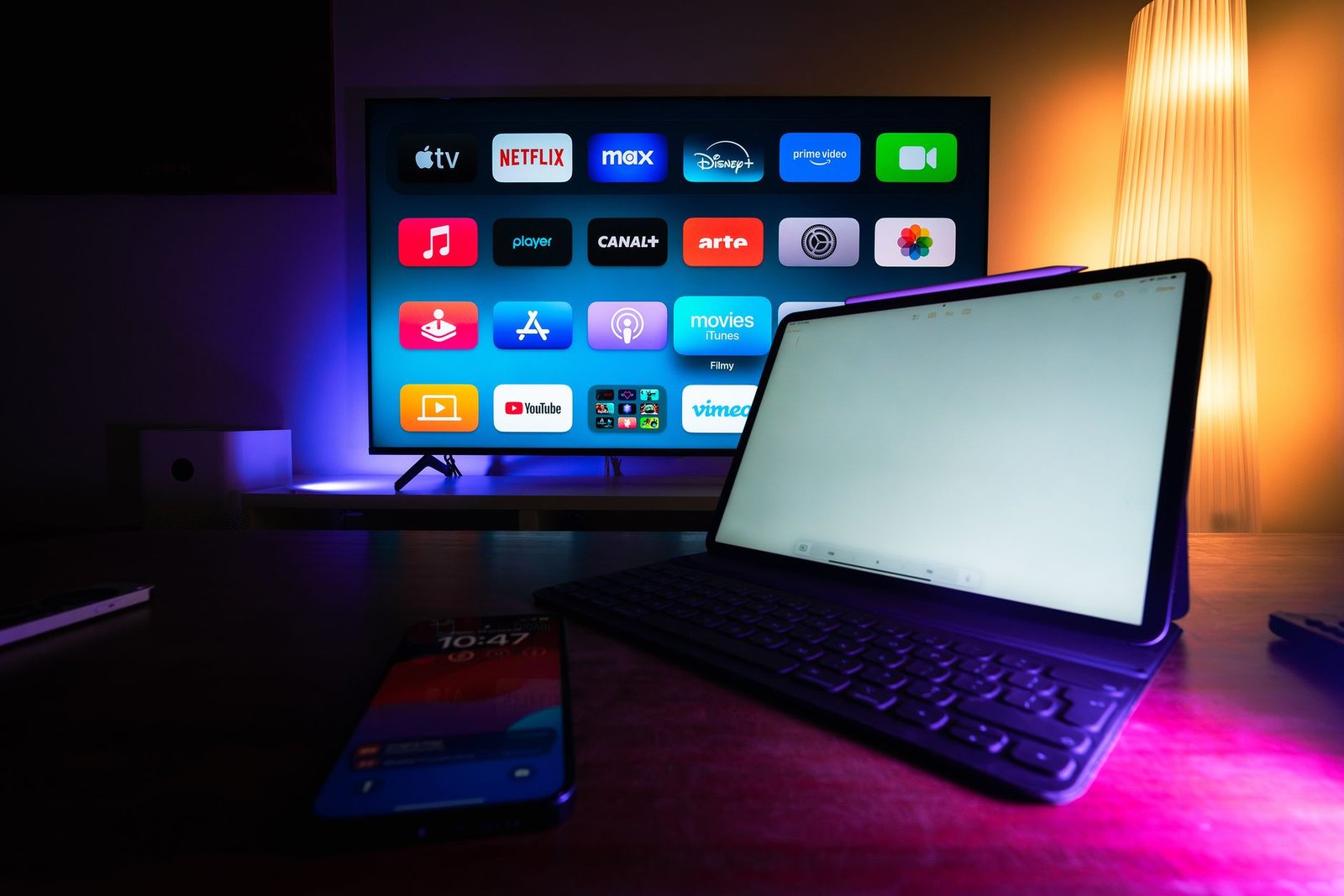
The timing of this launch aligns with a broader reset Apple appears to be making in the home automation category. With a new hub device expected to debut soon alongside a possible HomePod mini update and a refreshed Apple TV, the company is building toward a more cohesive ecosystem pitch than it has made in years. For consumers who have been waiting for a reason to commit to a smart home platform, this convergence of hardware from a trusted brand like LG and deep Apple software integration could be the clearest signal yet that now is the right moment to invest. Buyers who prioritize security, reliability, and seamless device interaction should watch this product line very closely.