

The United States is facing a public health crisis that many Americans assumed belonged to a previous era. Pennsylvania’s measles outbreak has now surpassed 1,000 confirmed cases, making it the largest the country has seen since the disease was officially declared eliminated back in 2000. The numbers are staggering, the implications are serious, and the story behind this surge is one that every household in America should pay attention to.
A Milestone No One Wanted to Reach
As of the latest update, Pennsylvania health officials have confirmed 1,078 measles cases in 2026, with the overwhelming majority tied to an outbreak that ignited in April. In just the past week alone, 145 new cases were recorded, and 74 of those were identified in a single reporting window. Health officials also noted that 40 of those 74 cases actually occurred more than two weeks prior, pointing to real challenges in real-time disease tracking and reporting infrastructure.
To put the scale in perspective, the US recorded fewer than 700 measles cases in all of 2019, which was itself considered an alarming resurgence at the time. What Pennsylvania is experiencing now eclipses that number and represents the worst domestic outbreak since 1991, a time before widespread internet access, before smartphones, and before modern vaccine communication tools existed.
Five Deaths and a Deeper Look at Who Is at Risk
Among the 1,078 confirmed cases, there have been 207 hospitalizations and five deaths. Those who died include a newborn, a 6-week-old infant, an 18-year-old, a 20-year-old, and a 40-year-old. Every single death occurred in someone who was unvaccinated. The two infants were too young to have received the MMR vaccine, which is typically administered starting at 12 months of age.
This detail is critically important. Infants under one year old cannot be vaccinated and depend entirely on the immunity of the people around them, a concept known as community or herd immunity. When vaccination rates fall below roughly 95 percent in a given population, that protective barrier collapses, and the most vulnerable members of society pay the highest price.
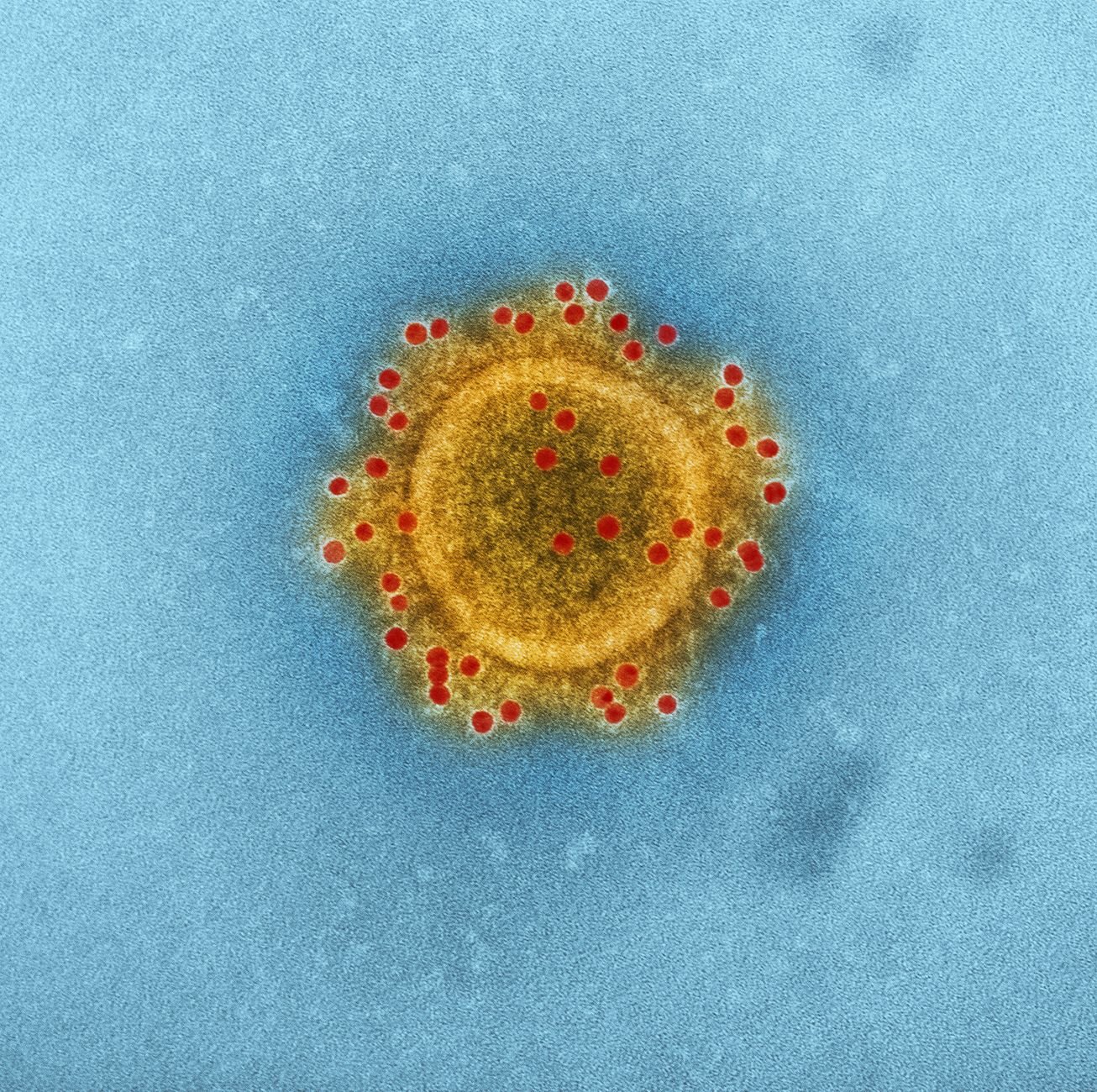
Measles is one of the most contagious infectious diseases known to science. A single infected person can spread the virus to nine out of ten unvaccinated people they come in contact with, and the virus can linger in the air for up to two hours after an infected person has left a room.
How This Outbreak Should Reshape Consumer Health Decisions
For families and individuals navigating this moment, access to reliable health information and timely medical resources has never been more important. The demand for telehealth services, at-home diagnostic tools, and vaccine appointment platforms has risen sharply alongside outbreak anxiety. Consumers are actively searching for trusted health tech solutions that make it easier to verify vaccination records, schedule immunizations, and monitor symptoms. This outbreak is a powerful reminder that informed purchasing decisions around health technology are not just convenient choices. They are protective ones.