

Meta just pulled the wraps off the Ray-Ban Meta Gen 3, and if you were expecting a jaw-dropping leap forward in smart glasses technology, you might want to temper your expectations a little. That said, there is plenty here worth talking about, especially if you are deciding whether to buy your first pair or upgrade from the Gen 2 you already own.
A Better Battery and Smarter Microphones Lead the Charge
The two most meaningful hardware upgrades on the Gen 3 are battery life and audio capture. The new glasses stretch to 9 hours of use on a single charge, one hour more than the Gen 2, and up to 50 hours total with the included charging case. For most people wearing these throughout a workday, that extra hour may not feel life-changing, but it does add a comfortable buffer for long commutes or travel days.
More interesting is the jump from five to six microphones, paired with a redesigned mic layout that Meta says improves background noise reduction during calls and AI interactions. Whether that translates to a noticeably cleaner audio experience in real-world conditions is something only hands-on time will confirm. One genuinely exciting bonus tied to the new mic array is upcoming support for Dolby Atmos spatial audio recording, a feature Meta says is rolling out later in 2026. That could be a real differentiator for creators and audio enthusiasts.
New Frames and a Slightly Sleeker Fit
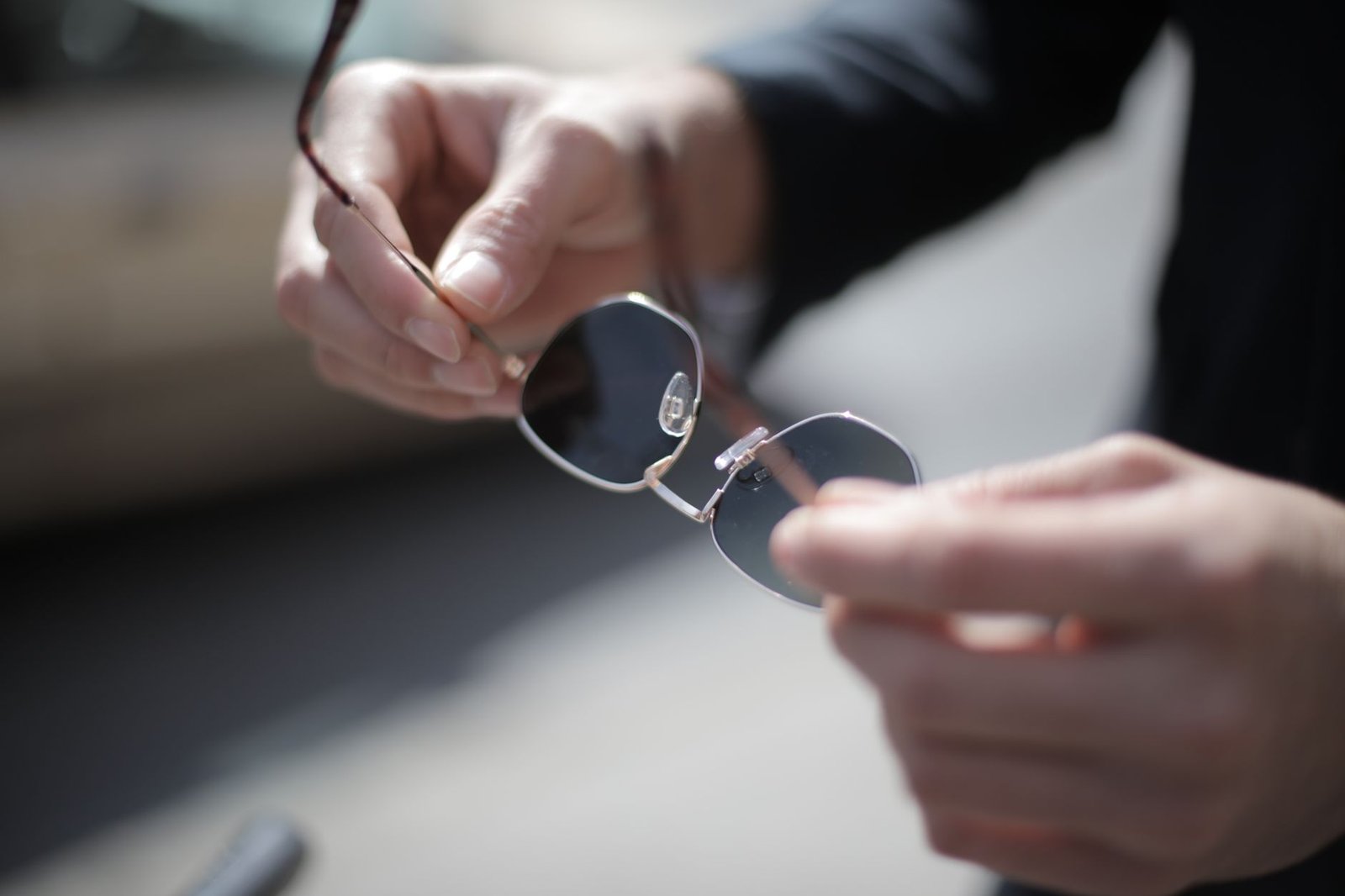
Smart glasses live or die on how they look, and Meta knows it. The Gen 3 lineup introduces two fresh frame styles alongside the returning Wayfarer. The Aviator brings a bold, thick-framed take on the classic silhouette in translucent and tortoiseshell finishes, while the Zena offers a softer cat-eye shape for anyone who wants something a touch more understated.
Dimensionally, the Gen 3 Wayfarer trims down ever so slightly, going from 131mm to 129mm hinge to hinge and shaving a millimeter off the temples. The tradeoff is a marginal weight increase, from 51 grams to 51.5 grams. These are small numbers, but they point to a clear design direction toward lighter, more wearable form factors over future generations.
The Software Story Complicates the Upgrade Case
Here is where things get tricky for anyone sitting on a Gen 2 pair. Most of the exciting new features Meta announced are coming to Gen 2 glasses as software updates, including the FDA-cleared hearing enhancement tool, the Muse AI agent, and the new dynamic photo capture mode that grabs multiple shots and lets you choose the best frame afterward. That is a generous move from Meta, but it also blunts the urgency to upgrade.
At $449 starting price, the Gen 3 costs $70 more than the Gen 2 at launch. For first-time buyers ready to step into the growing world of AI-powered wearables, the Gen 3 is a polished and capable entry point. But if you already own a Gen 2, holding off or hunting for a discounted used pair is the smarter financial play right now.