
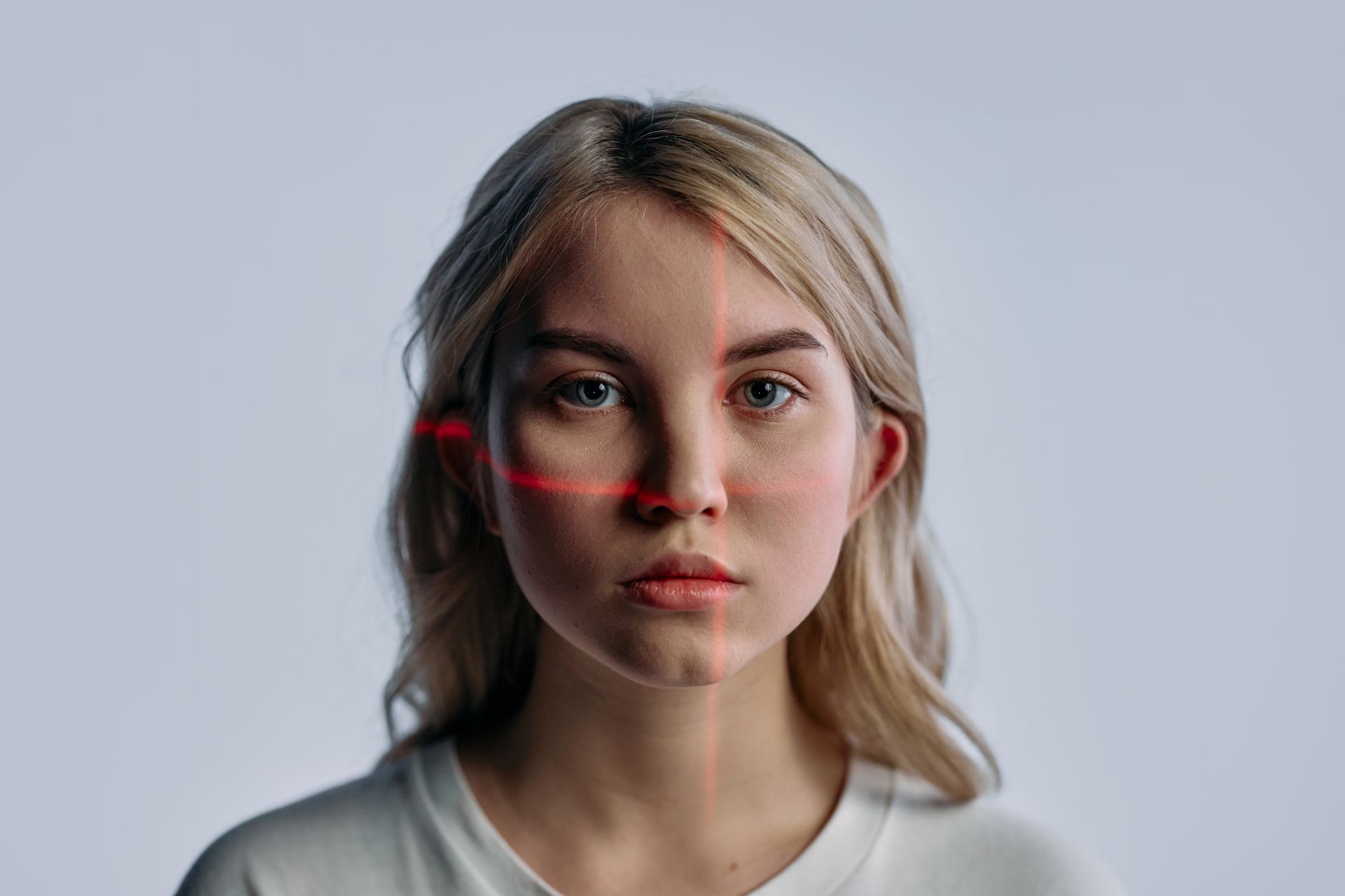

A routine grocery run turned into a public ordeal for Matt Arnold, a 46-year-old comedy promoter who was wrongly flagged as a shoplifter by AI-powered facial recognition software inside a Sainsbury’s store in East Dulwich, London. He was approached by two managers, told he could not be served, and effectively marched toward the exit in front of other shoppers. The experience left him feeling humiliated and powerless, and it has reignited a fierce debate about the role of automated surveillance in everyday retail spaces.
How the Technology Failed a Paying Customer
Sainsbury’s uses a system called Facewatch, which cross-references live camera feeds against a database of individuals flagged for previous incidents. When a match is detected, an alert appears on staff devices, and a trained manager is supposed to review it before any action is taken. In Arnold’s case, that review process clearly broke down. Sainsbury’s has since attributed the incident to human error rather than a flaw in the underlying algorithm, and Facewatch itself insists its system sent a correct alert that was mishandled in store.
But that distinction matters less to the customer who was publicly removed. A 99.98% accuracy rate sounds impressive until you apply it to millions of daily transactions. Even a tiny error margin translates into thousands of wrongful accusations across a large retail network. This is not an isolated glitch. In September of the previous year, another shopper named Warren Rajah was wrongly ejected from a Sainsbury’s branch in Elephant and Castle using the same software. Similar incidents have been reported at Home Bargains and B&M stores, pointing to a systemic issue rather than a one-off failure.
The Human Cost of Handing Over Decisions to Machines
Arnold’s frustration goes beyond his personal embarrassment. He has raised a concern that many consumer advocates and civil liberties groups share: when automated systems make high-stakes decisions, the humans tasked with executing those decisions often stop exercising independent judgment. Staff in the store reportedly showed no hesitation, even when Arnold’s subsequent behavior, calmly asking a colleague to come pay for the groceries minutes later, was entirely inconsistent with shoplifting. The machine flagged, the humans followed, and critical thinking evaporated.
This dynamic is particularly dangerous for vulnerable shoppers. Someone experiencing anxiety, a language barrier, or a fear of authority figures could be far more harmed by the same encounter than Arnold was. The technology does not calibrate its alerts for human dignity, and the people operating it clearly need more than a brief training session to push back against a blinking red circle on a screen.
What This Means for Shoppers Evaluating Smart Retail Tech
Sainsbury’s has paused Facewatch use in the East Dulwich store pending investigation, but Arnold argues convincingly that a centralized system with a known problem should be paused everywhere. As AI-driven retail tools expand across supermarkets and high street chains, shoppers and businesses alike are being asked to place enormous trust in systems that are not yet accountable enough for the decisions they trigger. For consumers researching smart home tech, security cameras, or AI-assisted shopping tools, this case is a timely reminder to scrutinize not just the headline accuracy figures but the real-world protocols that sit around them before committing to any purchase or loyalty to a brand that deploys them.