
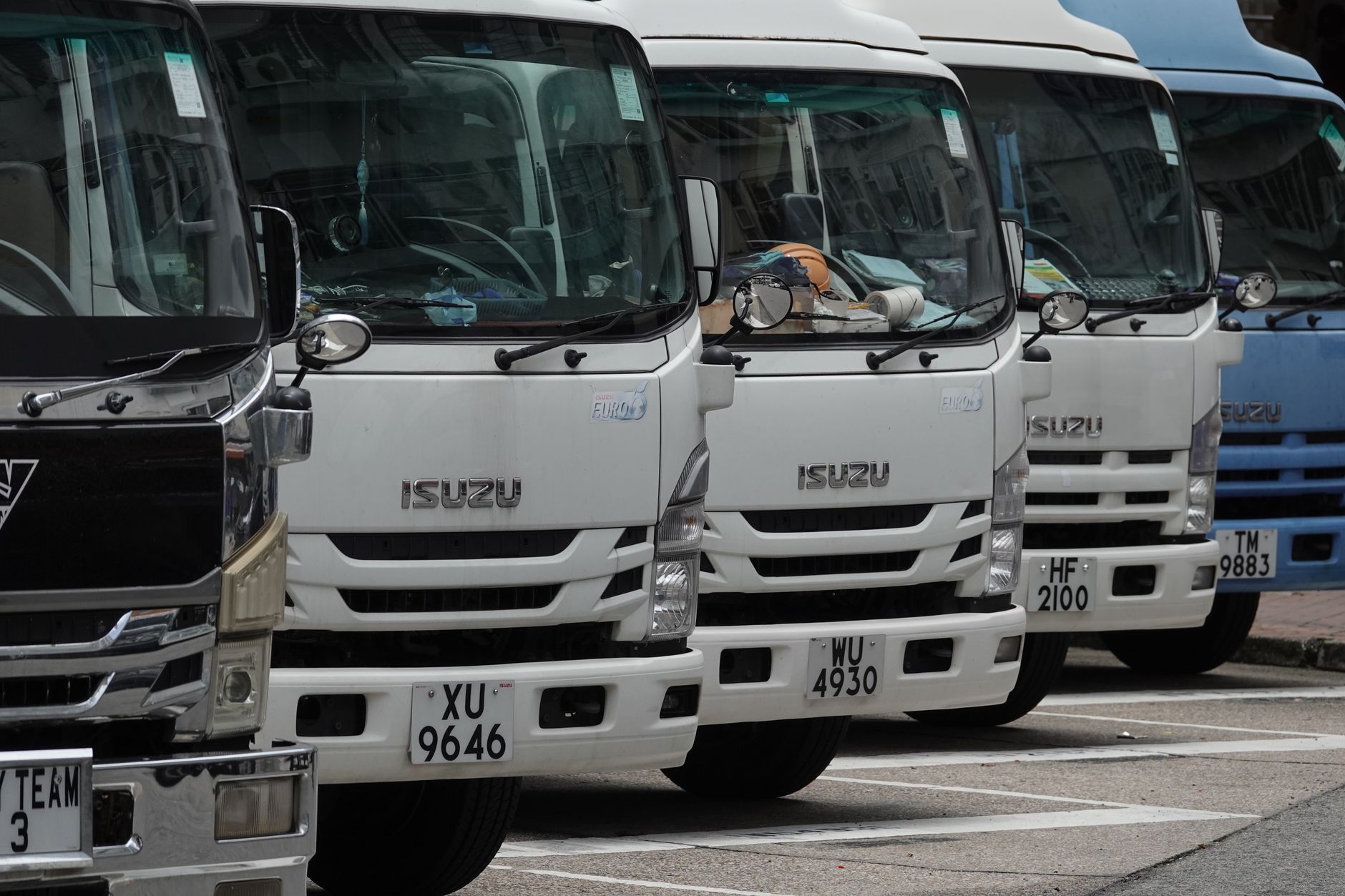

Something significant just shifted in the autonomous vehicle industry. Aurora Innovation and Kodiak AI have both received permits from the California DMV to test their self-driving trucks on public roads, and Kodiak has already put trucks on the pavement near its Mountain View headquarters. For years, California effectively pushed these companies out of their own backyard. That chapter is now closing.
A Regulatory Turning Point Years in the Making
The permits stem from updated rules the California DMV approved on April 28, 2026, which lifted a long-standing ban on testing driverless vehicles weighing over 10,000 pounds on public roads. For autonomous trucking companies headquartered in California, this is a homecoming. Both Aurora and Kodiak had been forced to focus their testing and commercial operations in Texas, where regulations were more permissive. Aurora launched a commercial self-driving truck service on the Dallas-to-Houston corridor in May 2025, and Kodiak began driverless operations in the Permian Basin in January 2025 before expanding to on-highway routes.
The new California permits do come with guardrails. A human safety operator must remain behind the wheel during testing, and trucks cannot operate on roads with speed limits of 25 mph or below unless traveling a direct route between destinations. These are reasonable starting conditions for technology that is still earning public trust at scale.
Labor Pushback and the Legal Battle Ahead
Not everyone is celebrating. Teamsters California filed a lawsuit last week in Alameda County Superior Court, alleging the DMV bypassed legal requirements to study and publicly disclose the economic impact of autonomous trucks on workers. The union also raised safety concerns for other motorists sharing the road with these vehicles.
This legal challenge reflects a tension that will define the next few years of autonomous trucking adoption. The U.S. trucking industry employs roughly 3.5 million drivers, according to the American Trucking Associations, and any technology threatening that workforce is bound to face organized resistance. The outcome of this lawsuit could set precedents that affect how other states handle similar regulatory decisions, making it one of the most consequential legal battles in transportation technology right now.
Why This Moment Matters for the Broader Tech Ecosystem
California is not just another state on the map. It is the largest freight market in the country, home to major ports, distribution hubs, and some of the most congested highway corridors on the continent. Testing here gives Aurora and Kodiak data and operational experience that Texas routes simply cannot replicate in terms of traffic complexity and supply chain diversity.
For consumers and businesses tracking where to place their technology bets, this development is a strong signal. Autonomous trucking is moving from pilot project to commercial infrastructure faster than many analysts predicted. Fleet operators, logistics buyers, and investors evaluating autonomous vehicle platforms now have a clearer adoption timeline to work with, and California’s regulatory green light makes this sector worth serious purchasing consideration heading into 2027.