

A Verdict Years in the Making
A federal jury in New York has found Huawei guilty on 10 of 12 criminal counts, including money laundering, bank fraud, wire fraud, and conspiracy to defraud the United States. The case accused the Chinese telecom giant of taking source code and proprietary technology from American companies, among them T-Mobile, Cisco, and Motorola. The company was acquitted on the racketeering conspiracy and obstruction of justice charges, a split result that both sides are likely to read in their own favor.
The case traces back to 2018, when the Justice Department indicted Huawei following the arrest of its chief financial officer, Wanzhou Meng, on fraud allegations. Her own charges were eventually dismissed after she admitted to misleading banks about Huawei’s business in Iran under a deferred prosecution agreement. The US government placed Huawei on a trade blacklist in 2019, citing national security concerns, and the company has spent years fighting restrictions on its access to American chips and software.
Why Trade Secret Cases Carry Weight Beyond the Courtroom
Trade secret theft is often treated as a corporate dispute, but in the telecommunications sector the stakes are broader. Network equipment sits at the core of mobile carriers and internet infrastructure, and the code running that gear can reveal how systems are built and where they are vulnerable. Engineers at American firms spend years developing these technologies, and the economic value of a stolen codebase can run into the billions when measured against research and development costs and lost market share.
Huawei has consistently called the charges without legal or factual merit and says it intends to appeal. Any appeal will take time, and the financial exposure is real. Prosecutors could seek fines, forfeiture of assets, and restitution to the victim companies, though the final amounts will depend on sentencing and further litigation. Meanwhile, the verdict adds weight to the argument already made by several Western governments that Huawei equipment should be kept out of sensitive networks.
What This Means for Buyers and the Tech Market
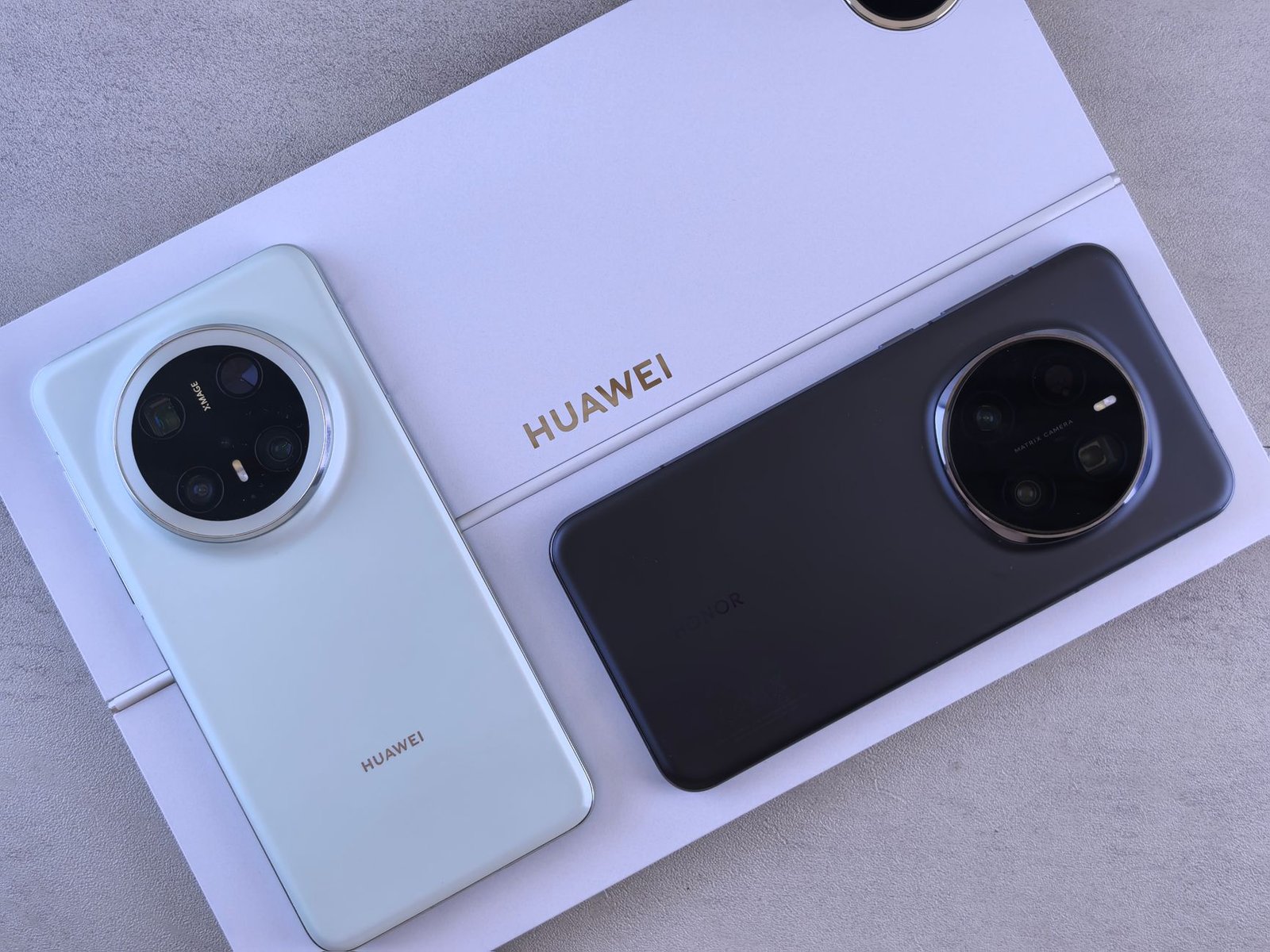
For ordinary consumers, the immediate impact is limited, but the longer-term picture matters. Restrictions on Huawei have already reshaped the smartphone market outside China, cutting off access to Google services and pushing the company toward its own software ecosystem. Carriers in the United States and parts of Europe have largely phased out Huawei gear, and that shift influences which networks, routers, and devices buyers encounter at home and at work. Shoppers weighing a phone, a home router, or an enterprise network upgrade increasingly consider where components come from and how a vendor is regulated, not just price and specifications. A verdict like this one tends to accelerate that scrutiny, pushing procurement teams and individual buyers toward vendors with clearer compliance records.