

A federal judge in Oklahoma has delivered one of the most pointed legal challenges yet to automated license plate reader technology, ruling that a Tulsa sheriff’s deputy violated a woman’s Fourth Amendment rights by searching Flock Safety’s database without a warrant. The decision, while not binding precedent, signals that courts are beginning to take a harder look at how law enforcement uses commercial surveillance networks in everyday policing.
What the Judge Actually Said and Why It Matters
Judge Sara Hill did not mince words. She found that the deputy had no apparent justification for running the license plate search beyond the fact that the vehicle carried a California plate. The deputy then used the resulting travel history data to justify searching the car, where he allegedly found 91 pounds of methamphetamine. Judge Hill ordered all evidence gathered after the warrantless Flock search to be thrown out as the fruit of a poisonous tree.
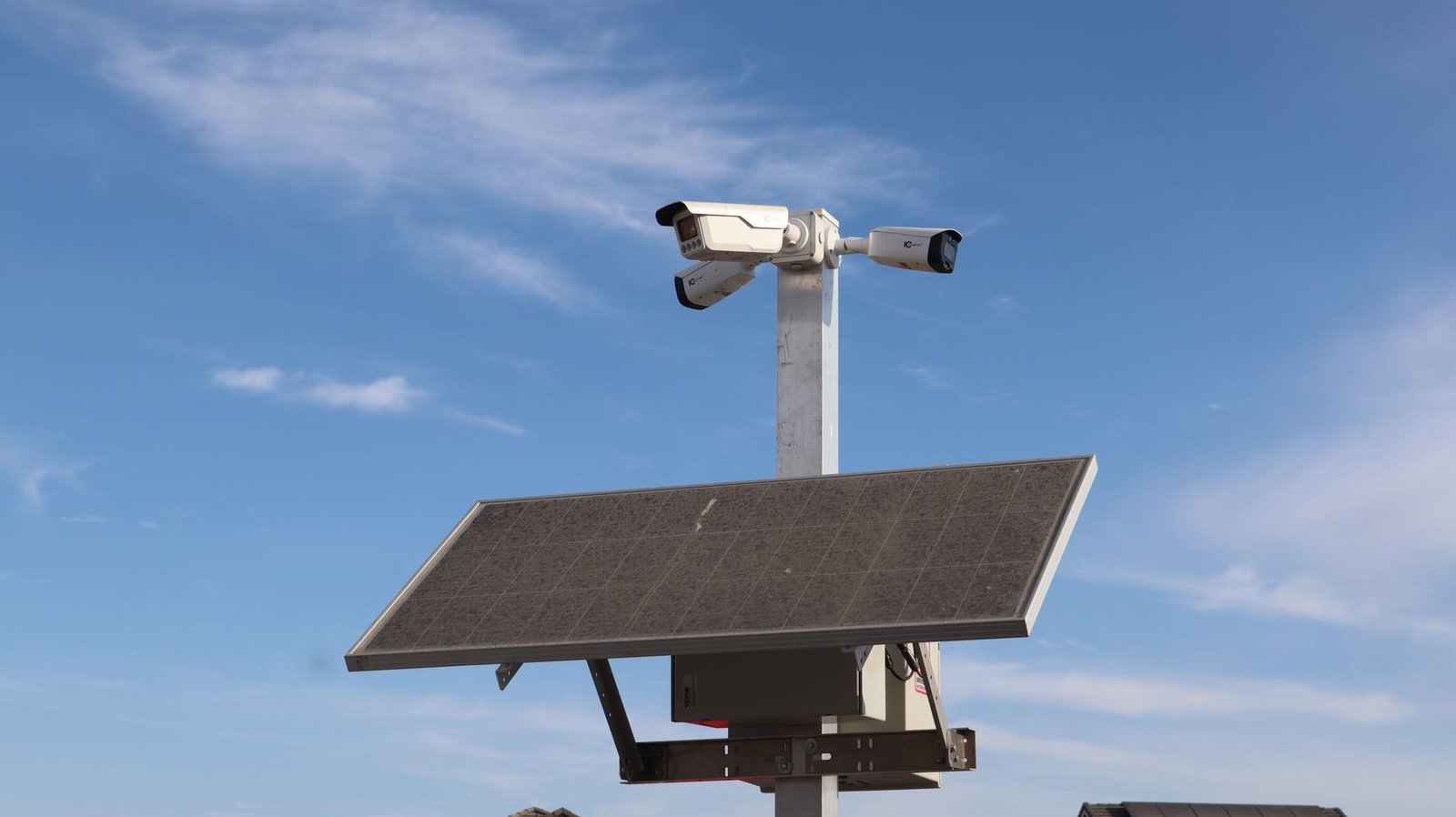
Her broader critique went further. She described Flock’s system as indiscriminate mass surveillance, arguing that passively cataloging the movements of all vehicles passing any networked camera, across an extended period, and then making that data available to officers on demand crosses a constitutional line. That framing places Flock in the same conversation as the 2018 Supreme Court case Carpenter v. United States, which restricted warrantless access to cell phone location data.
Political Pressure Is Building From Every Direction
The ruling lands as Flock Safety faces mounting opposition that cuts across party lines. Florida and Texas, two states not typically associated with aggressive tech regulation, have already announced they are stepping back from the technology. Senator Bernie Sanders recently introduced the Block Flock Act, legislation that would prohibit federal agencies from using automated license plate readers altogether.
Flock’s own CEO has acknowledged problems, issuing an apology to women who were stalked by officers misusing the platform and calling for a compromise between public safety needs and privacy protections. The company has also reportedly begun offering voluntary buyouts to employees, suggesting the business impact of cancellations is real and accelerating.
With over 5,000 law enforcement agencies previously using Flock cameras across the United States, the scale of the potential policy reversal is significant. License plate reader networks have grown quietly for years, funded partly by federal grants and partly by local budgets, with relatively little public debate until recently.
What This Means for Smart Home and Security Tech Buyers
For consumers and businesses evaluating connected security technology, this case is a useful reminder that data collected by networked devices rarely stays contained to its original purpose. As municipalities reconsider contracts with companies like Flock, buyers in the home security and fleet management space should ask sharper questions about data retention policies, third-party sharing agreements, and what happens to footage or location records over time. Demand for privacy-first alternatives to cloud-connected cameras is likely to grow as legal and regulatory scrutiny of always-on surveillance networks continues to intensify.