
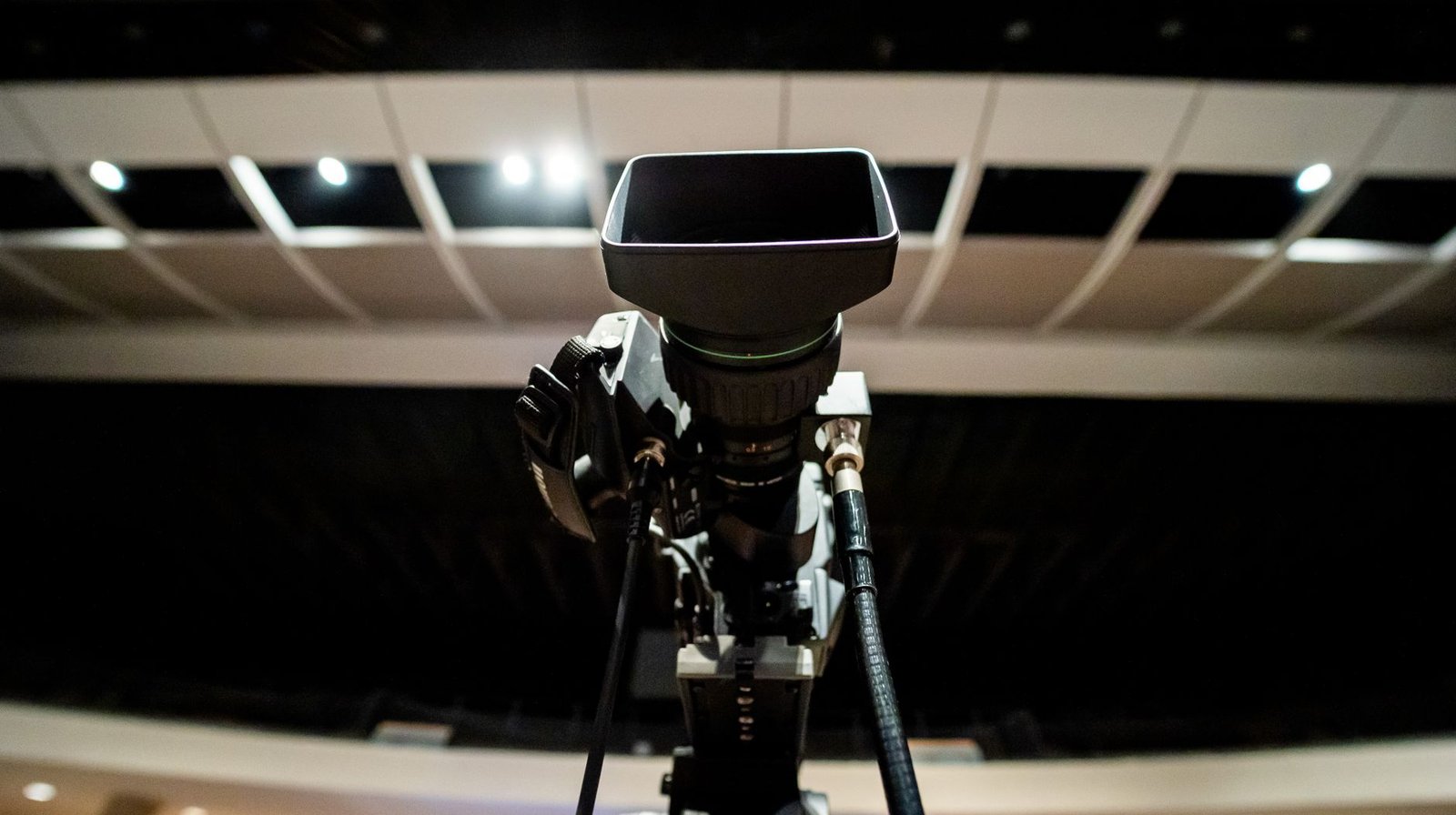

If you have ever watched behind-the-scenes footage from a major blockbuster shot on IMAX film, you already know the sound. There is a relentless mechanical whine, a clattering hum that fills the set and makes you wonder how anyone records usable audio at all. It turns out the noise is not a flaw so much as an unavoidable consequence of the remarkable engineering inside every IMAX 15/70 film camera. Understanding why these cameras are so loud actually tells you a lot about why genuine IMAX filmmaking is such a rare and special achievement.
Moving That Much Film Takes Serious Mechanical Force
To appreciate the noise, you first need to understand just how much film an IMAX camera burns through. A standard cinema camera uses five sprocket holes per frame on 35mm film. An IMAX camera runs a 65mm negative horizontally, using 15 sprocket holes for every single frame. At the standard 24 frames per second, that works out to roughly 5.6 feet of film moving through the camera every second, which adds up to 336 feet per minute. A single 1,000-foot magazine gives a cinematographer only about three minutes of shooting time before a reload is needed.
Moving that volume of film at that speed demands a powerful motor, and powerful motors make noise. Add in the mechanical operation of the shutter and magazine, and you get a constant mechanical rattle that is audible even on a busy film set. There is simply no quiet way to push that much physical material through a precision imaging system 24 times a second.
The Vacuum Plate Is the Loudest Culprit of All
The motor noise alone would be manageable, but IMAX cameras carry a second major noise source that is arguably worse. Because the large format film tends to retain curl after being wound inside a magazine, even a tiny bend can throw a frame out of focus and ruin a shot. To prevent this, IMAX cameras use a vacuum plate system that sucks the film completely flat against a plate during each exposure.
That vacuum pump runs continuously while the camera is rolling, creating a high-pitched mechanical hum on top of the mechanical rattle from the film transport. Together, these two systems make traditional IMAX cameras genuinely difficult to use on intimate sets or during scenes with quiet dialogue. Filmmakers have worked around the problem using techniques like automated dialogue replacement, or ADR, in post-production, and physical solutions like padded covers called barneys and rigid soundproof enclosures called blimps. The catch is that an older IMAX camera inside a blimp can weigh up to 275 pounds, which is not exactly a handheld setup.
Newer Tech Is Pushing IMAX Into More Productions
A newer IMAX camera called the Keighley, developed specifically for large-scale productions, uses a redesigned blimp that actually allows synchronized dialogue recording on set. It was used during the filming of Christopher Nolan’s The Odyssey, though the complete system still reportedly tips the scales at over 300 pounds.
For consumers deciding between a standard cinema ticket and a premium IMAX experience, this context matters. True IMAX film screenings represent an enormous technical investment that digital formats simply do not require. If you are weighing whether a premium IMAX ticket is worth the price, knowing that every frame was captured under these extraordinary conditions makes the answer much easier. And as IMAX continues developing quieter, more practical cameras, more filmmakers may finally be willing to take on the challenge, which means more genuinely stunning IMAX productions heading to screens near you.