

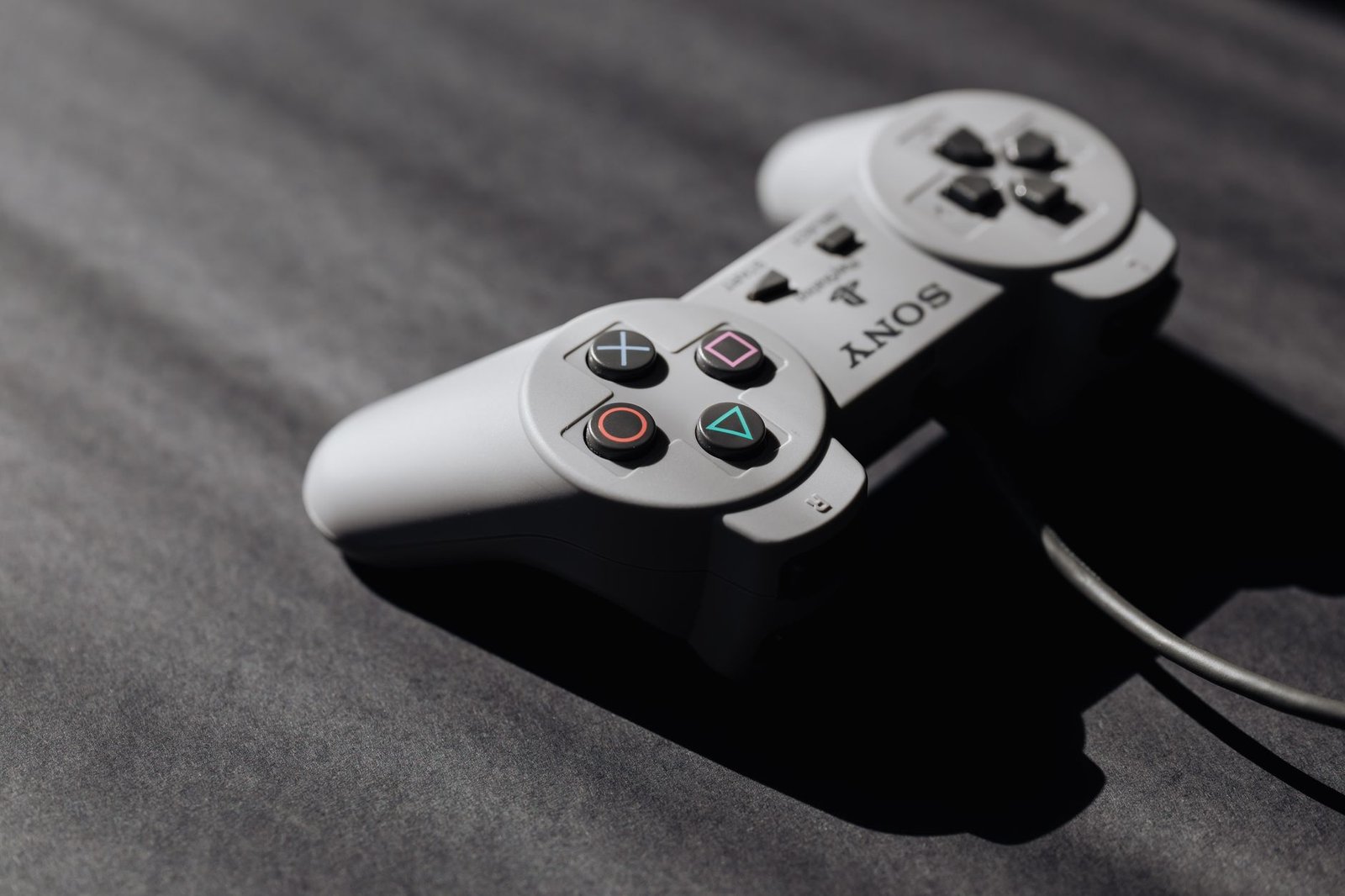

Something remarkable is happening in the gaming world right now, and if you have even a passing love for classic video games, you are going to want to pay close attention. A growing community of developers, hobbyists, and fans has been quietly dismantling the code of beloved retro titles and rebuilding them from the ground up, making it possible to play games that were once locked to aging, hard-to-find hardware on virtually any modern device you can think of.
This is the world of game decompilations and recompilations, and it is moving faster than almost anyone expected.
From Dusty Cartridges to Any Screen You Own
The idea is straightforward even if the technical execution is anything but. Developers reverse-engineer a game’s original code, reconstruct it in a modern programming language, and then compile it to run natively on new platforms. The results have been genuinely jaw-dropping. The Legend of Zelda: Ocarina of Time can now be played on PC through a fan port called Ship of Harkinian, with widescreen support, higher frame rates, and quality-of-life improvements that Nintendo itself never bothered to add. Meanwhile, 1999’s Lego Racers has been lovingly recreated as a browser-based game complete with split-screen and online multiplayer, playable on desktop, Android, and even the Steam Deck.
These projects represent hundreds or even thousands of hours of volunteer work, and the output is often polished enough to feel genuinely professional.
Halo in a Browser and the Scale of What Is Possible
Perhaps the most stunning recent example is OpenHaloCE, which brings the original Halo: Combat Evolved to a web browser with full campaign support and multiplayer matches supporting up to 128 players simultaneously. Windows, Linux, and Android builds are also available. For context, the original game launched in 2001 and was a flagship Xbox exclusive. The fact that you can now fire it up on a phone browser in 2026 without installing a single thing is genuinely hard to wrap your head around.
It is worth noting that these projects occupy a legal gray area. Game publishers, particularly Nintendo, have historically pushed back hard against unofficial ports and fan projects. Many of these efforts have also incorporated AI tools to speed up the decompilation process, which has drawn criticism from some corners of the gaming community on ethical and environmental grounds. Those are real conversations worth having.
Why This Matters for Everyday Gamers and Tech Buyers
Here is the bottom line for anyone thinking about their next hardware purchase or gaming setup. The decompilation movement is a powerful signal that classic games have enormous, lasting value, and that the demand for retro experiences is only growing. Steam Deck sales, mini retro consoles, and budget Android handhelds are all riding this wave. If you are considering a new gaming device, versatility and open-platform support have never mattered more. Devices that can run community ports and fan builds give you access to a library that money simply cannot buy through official channels.