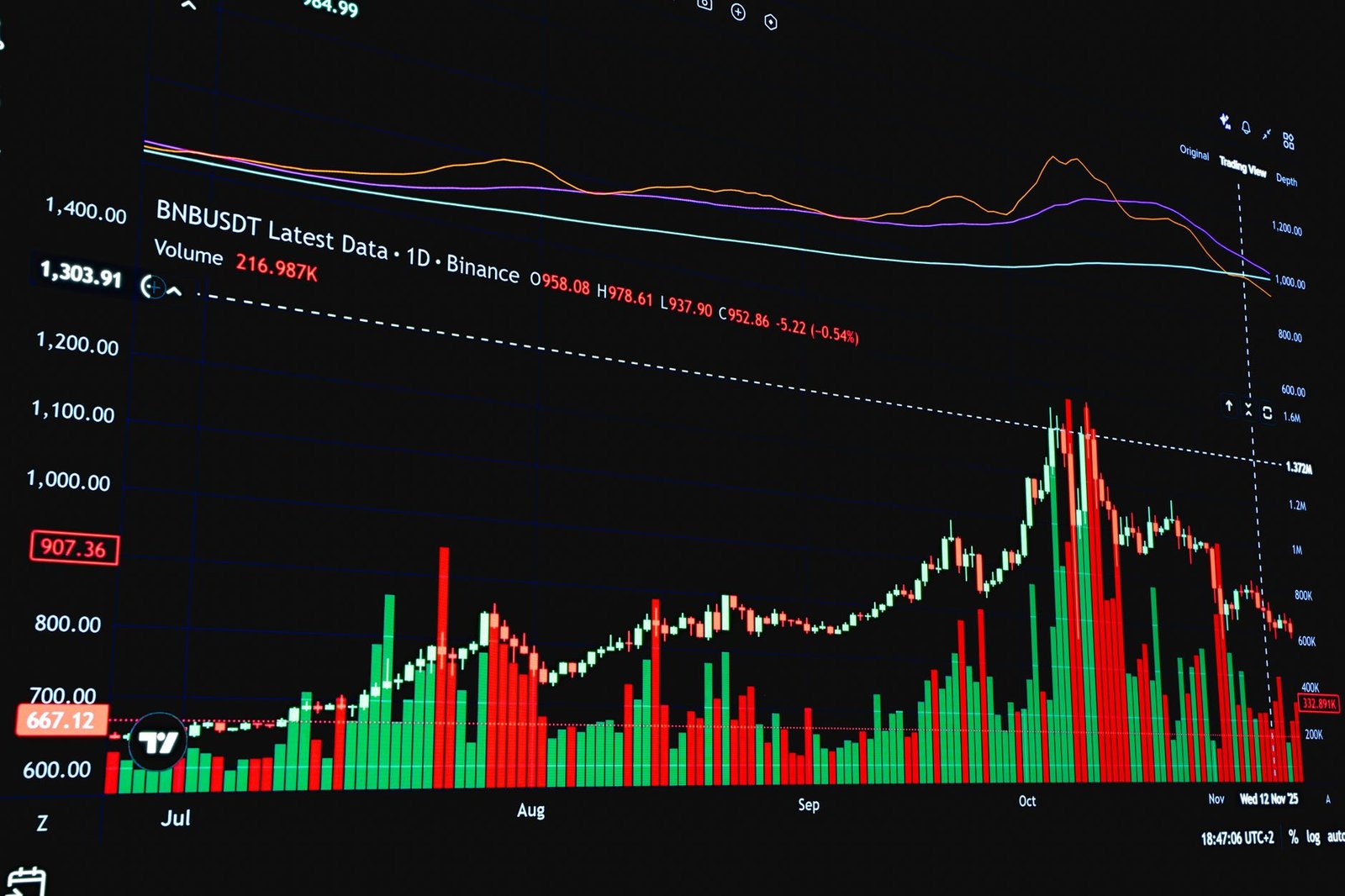

What Happened at the World’s Largest Crypto Exchange
Binance, the largest cryptocurrency exchange in the world by trading volume, has confirmed that it is responding to a security incident. Users began reporting that funds were leaving the platform’s wallets, prompting the company to temporarily suspend withdrawals across multiple blockchain networks as a precautionary step. The exchange has publicly stated that user funds are secure, but the scale of the reported losses has unsettled a market that already treats exchange security as a fragile point in the crypto ecosystem.
The incident gained momentum when founder Changpeng Zhao, who no longer runs the company but remains its largest shareholder, posted on X that the platform had likely been hacked. He said he expected user balances to be fully covered, though he offered no detailed explanation of how that would happen. Independent crypto analysts have estimated that at least $2 billion may have been drained from Binance’s hot wallets, with some projections running as high as $5.7 billion. Those figures remain unverified, and the attack may still be ongoing, which makes any firm accounting difficult at this stage.
Why Hot Wallets Remain the Weak Point
Hot wallets are cryptocurrency storage systems connected to the internet, and they are essential for processing withdrawals quickly. That convenience, however, makes them a constant target for attackers. Most custodial exchanges keep the bulk of user assets in colder, offline storage and only a fraction in hot wallets, but even a small percentage of a platform of Binance’s size can represent an enormous sum. If confirmed at the high end of the estimates, this would rank among the largest crypto thefts on record, following the roughly $1.4 billion stolen from Bybit in 2025, an incident widely attributed to North Korean hackers.
The response from the broader industry also shows how interconnected the system has become. Circle reportedly froze about $800 million in Tether as it moved through its networks, and Tether itself froze roughly $1.56 billion linked to the breach. Those freezes suggest that stablecoin issuers are increasingly willing to act as a backstop, though they also highlight how much control a small number of companies hold over the flow of digital dollars. Separately, prediction market Polymarket halted trading after a third-party software compromise led to a pause in withdrawals, a reminder that risk can enter through vendors rather than through the exchanges themselves.
What This Means for Users and the Market
For ordinary users, the most important lessons are practical. Security teams have warned that scammers often exploit moments like this with fake support accounts and phishing links, so relying only on official channels matters more than ever. The episode also underlines a basic principle that many investors learn too late: holding assets on an exchange means trusting that platform’s security and solvency, and that trust can be tested suddenly. Regulators, meanwhile, are likely to point to incidents like this when pressing for stronger reserve disclosures, custody standards, and incident reporting requirements across the industry.
Ultimately, the Binance episode is a test of whether centralized crypto platforms can withstand attacks at the scale their size now invites. Whether the losses are ultimately covered or not, the event will influence how institutions and everyday buyers weigh exchange custody against self-custody tools. Shoppers evaluating crypto products, hardware wallets, or trading platforms should expect security features and proof of reserves to become a far larger factor in their purchasing decisions, and that shift in buying intent is likely to shape which tech and finance products gain adoption in the months ahead.