
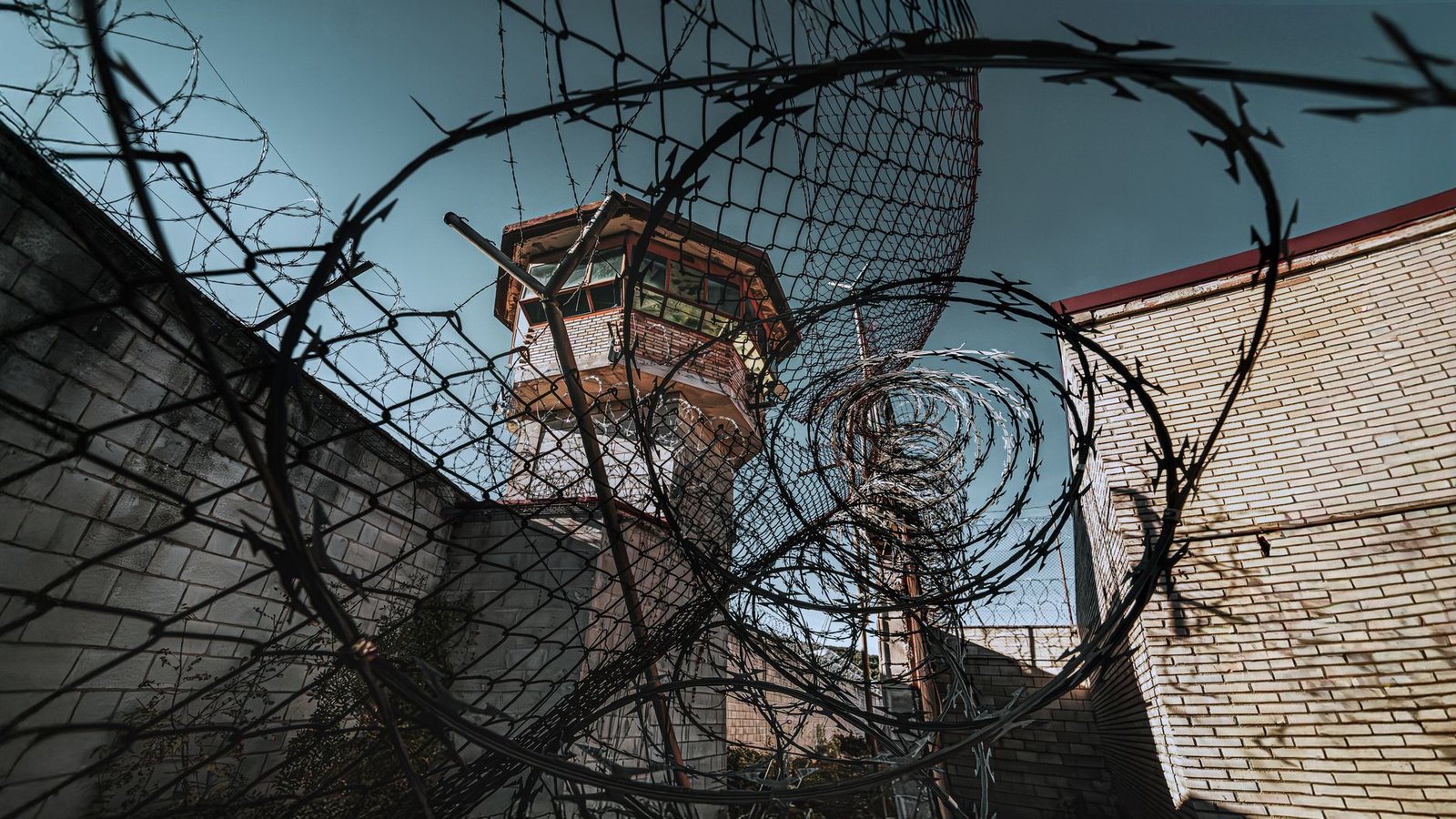

For more than two decades, the United States has poured billions of dollars into a network of surveillance towers along its southern border, promising a smarter, more humane alternative to physical barriers. The pitch was compelling: use technology to see everything, respond faster, and ultimately save lives. The reality, as a sweeping new investigation has revealed, is something far more troubling.
A Surveillance System Built on Broken Promises
Researchers and journalists have now documented over a thousand individuals who passed through zones actively monitored by these towers and were never reached, never apprehended, and ultimately died in the desert. These were not gaps in coverage. Many of these deaths occurred within the watch zones of newly deployed, AI-powered surveillance towers specifically engineered to automatically detect human movement. The technology saw people. The system still failed them.
The scale of this failure reframes the entire conversation around border technology. Supporters of the virtual wall concept have long argued that smarter tools reduce the need for dangerous crossings and improve response times for border agents. But when over a thousand documented deaths occur inside monitored corridors, the argument collapses under its own weight. Detection without timely, coordinated response is not a safety net. It is theater.
What AI Can and Cannot Do in High-Stakes Environments
The border surveillance failure is a case study in a broader problem haunting AI deployment across critical sectors. Automated detection systems are increasingly capable of identifying objects, movement, and anomalies with impressive accuracy in controlled conditions. But real-world performance is a different story entirely. Environmental variables, staffing shortfalls, communication breakdowns, and policy constraints can render even the most sophisticated system ineffective when lives are on the line.
This mirrors challenges seen in other high-stakes AI applications, from autonomous vehicle safety to medical diagnostic tools. A system that performs brilliantly in benchmarks can still fail catastrophically when human infrastructure around it is underfunded or poorly organized. AI amplifies existing systems; it does not replace the need for functional ones. The border surveillance program is a painful, large-scale demonstration of exactly that limitation.
The Accountability Gap That Buyers and Policymakers Must Close
Government contracts for border surveillance technology have totaled in the billions, with private defense and tech contractors delivering hardware and software solutions that have faced remarkably little public accountability. When AI systems are sold to governments with promises of improved outcomes, there must be measurable benchmarks tied to human welfare, not just detection rates or uptime statistics.
For organizations and agencies evaluating AI surveillance or security technology, this investigation should serve as a direct warning. Procurement decisions in this space carry real consequences, and the gap between vendor claims and field performance can be enormous. Consumers and institutional buyers alike are increasingly demanding transparency, third-party auditing, and outcome-based contracts before committing to AI-powered systems. In a market where trust is currency, the virtual wall’s failures may reshape how buyers approach every high-stakes AI investment going forward.