

A Verdict Years in the Making
A federal jury in the United States has found Huawei Technologies guilty of bank fraud and conspiracy to steal trade secrets, closing a case the Department of Justice first brought in 2019. The jury did clear the company on two counts, acquitting it of racketeering conspiracy and conspiracy to obstruct justice. Still, the convictions mark one of the most significant legal blows the Chinese telecom giant has taken on American soil, and they arrive at a moment when the relationship between Washington and Beijing over technology remains deeply strained.
Prosecutors built their argument around a pattern rather than a single incident. They pointed to Huawei’s sale of routers containing code copied from a competitor as evidence of a broader habit of taking what it did not create. They also alleged that the company sold equipment to Iran and North Korea in violation of US sanctions, and that it misled banks and officials to conceal those transactions. The racketeering charge, which is usually reserved for organized criminal enterprises, was an unusually aggressive framing, and the jury’s decision to reject it suggests that the government’s most expansive theory did not persuade everyone in the courtroom.
Huawei’s Response and the Road Ahead
Huawei has pushed back firmly. The company said the racketeering acquittal reflected a lack of factual basis, and it argued that the trade secret disputes cited by prosecutors were civil matters resolved over the past two decades, none of which produced a finding of willful misappropriation or a damages order. Its attorney has indicated that the company intends to appeal the convictions. That means the legal process is far from finished, and the final outcome could take years to settle.
The financial stakes are real. Prosecutors and reporting on the case have raised the possibility of penalties running into the billions of dollars, though the exact figure will depend on sentencing and any appeals. For a company that has already been shut out of the US market, the monetary exposure may matter less than the reputational and regulatory fallout. Huawei has been on the Federal Communications Commission’s Covered List, which bars its products from being sold in the United States, and in 2025 the FCC opened an investigation into whether Huawei, ZTE, and China Telecom were finding ways around those restrictions. A criminal conviction could give regulators additional ammunition in that inquiry.
What This Means for Buyers and Adopters
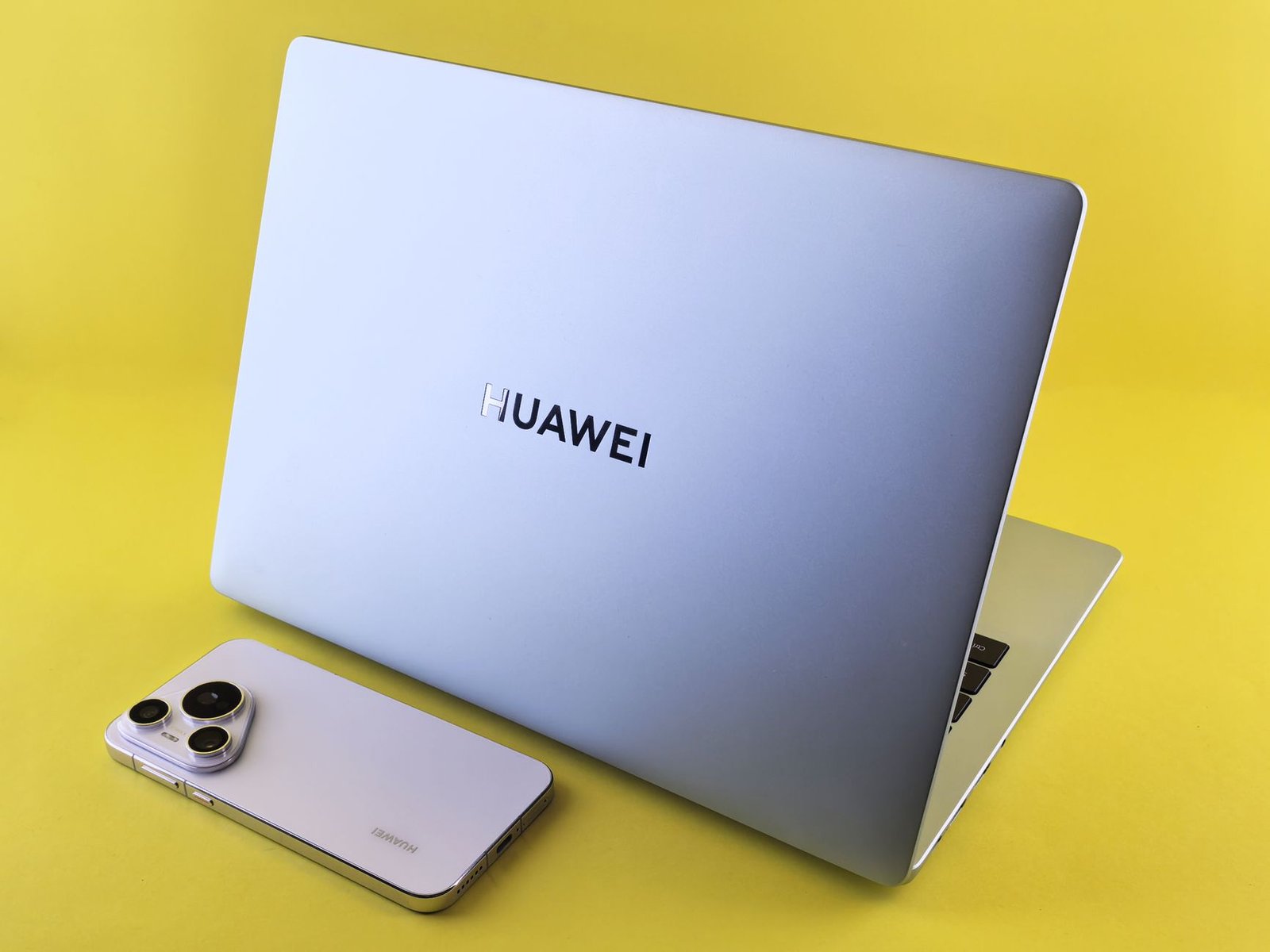
For most consumers, a courtroom verdict in Texas or elsewhere in the US does not change what appears on a store shelf this week, since Huawei phones and networking gear are already largely absent from American retail and carrier networks. The more practical question concerns the global market, where Huawei remains a major supplier of smartphones, network infrastructure, and cloud services, particularly in Europe, Asia, and Africa. Shoppers and IT buyers in those regions may be watching the verdict closely, because a finding of intellectual property theft and sanctions evasion can raise procurement risk for governments and enterprises weighing whether to trust a vendor with critical infrastructure. As trade secret enforcement and export controls tighten, the reliability and legal standing of a hardware supplier is becoming part of the purchase decision itself, not just a matter of price and performance.