


Apple Has Moved On, But Your Old Tracker Hasn’t
Apple has quietly stopped selling the original AirTag now that its second-generation model is on shelves. If you still have one rattling around a junk drawer, you might be tempted to recycle it. Before you do, know that the first-generation tags remain fully supported in the Find My app, which means they can keep doing real work around your home and on the go.
The new AirTag does bring meaningful upgrades. It offers a longer finding range thanks to a second-generation ultrawideband chip, a faster Bluetooth chip, Precision Finding that reaches up to 50 percent farther, and a louder speaker. At around 29 dollars, though, the newer tags are cheap enough that you can outfit several belongings without much thought. That low price is exactly why your old tags still have value. You don’t need to replace a working tracker just because a shinier version exists.
Give Your Old Tags a Second Career
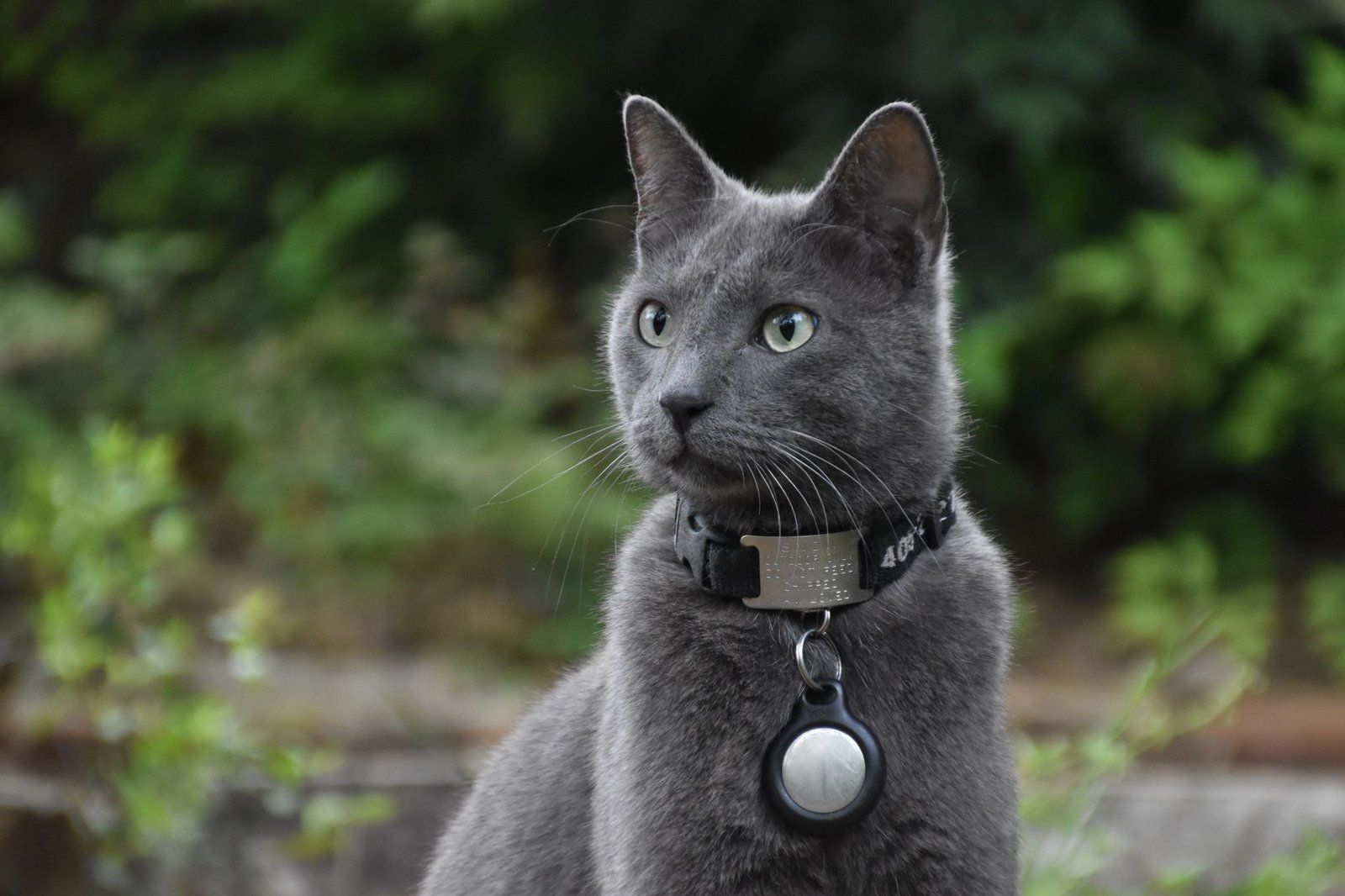
The easiest move is to promote your newer AirTags to your most important items, such as keys, wallets, purses, a child’s backpack, or even a pet’s collar, and then relocate the original ones to secondary belongings. Tuck one into your glove compartment or trunk as a theft deterrent, or use it to keep tabs on a newly licensed teen who might switch off location sharing. Slip one into luggage as a backup locator in case your bag ends up on the wrong carousel. Some parents even tuck a tag into a child’s jacket pocket or shoe lining so they remain trackable when the backpack is nowhere to be found.
Inside the house, older tags are more than capable. Standard finding works well for spare keys, a filing cabinet key, or that small remote you always lose in the game room. Holiday decorations in a crowded attic, a toolbox buried in the garage, and a stash of cords in a junk drawer are all good candidates. One parent recently used Precision Finding on an old tag to locate house keys, and it worked just fine. Standard Precision Finding is supported on iPhone 11 through 14, so if you are still carrying an older phone, your first-generation tags will keep performing well until you upgrade. Those tags also use replaceable CR2032 batteries that typically last around a year, so keeping them running is inexpensive and simple.
Smart Backups, Gifts, and Even a Little Cash
Old tags make excellent backups. Place a freshly charged second tag under a bicycle seat and another in the bell or behind the bottle cage. A thief who finds one may toss it, but is far less likely to find both. Keeping a spare with a fresh battery also protects you if your primary tag dies before you get around to swapping it out. Handing an older tag to a parent or grandparent with an older iPhone is another thoughtful gift, since it can help them stop losing eyeglasses, a purse, or a wallet.
If you truly no longer need your old trackers, you may be able to earn some money from them. Apple does not accept AirTags for trade-in, but independent buyback services in certain countries, including Sell Techs in the UK and BuyBackWorld, will purchase them. It is a small payout, but it beats letting a working gadget gather dust.
For shoppers, this story is a reminder that a tracker purchase can last well beyond a single product cycle. Consumers who are weighing whether to buy a few AirTags for their household now have a clear path: start with the new model for high-value items, then reuse what you already own for everything else. As tracking tags become a standard part of everyday life, that kind of practical, low-cost adoption is exactly what turns a simple gadget into a household essential.