
The Story Behind the Boardroom Door
Few corporate stories have gripped Silicon Valley quite like the sudden departure of Jensen Huang from Nvidia. The company he built into the engine of the modern AI boom is now dealing with a leadership vacuum, and the reasons behind it are more personal than many expected. According to people familiar with private board discussions, the decision was driven less by the alleged romantic relationships and more by repeated concerns about candor and trust. Board members reportedly felt they had been misled over a span of roughly a year, and that single factor weighed heavily in their final call.
The timing could hardly be more sensitive. The board launched an independent investigation after reports that the CEO had been the target of a foreign intelligence effort, and questions about Nvidia’s chip shipments into China have drawn attention from lawmakers and government agencies. Huang has since said he would be honored to return, while President Donald Trump publicly urged a second chance. Stock volatility, shareholder lawsuits, and internal frustration among employees all add to the pressure.
Why Trust Matters More Than Ever in Chips
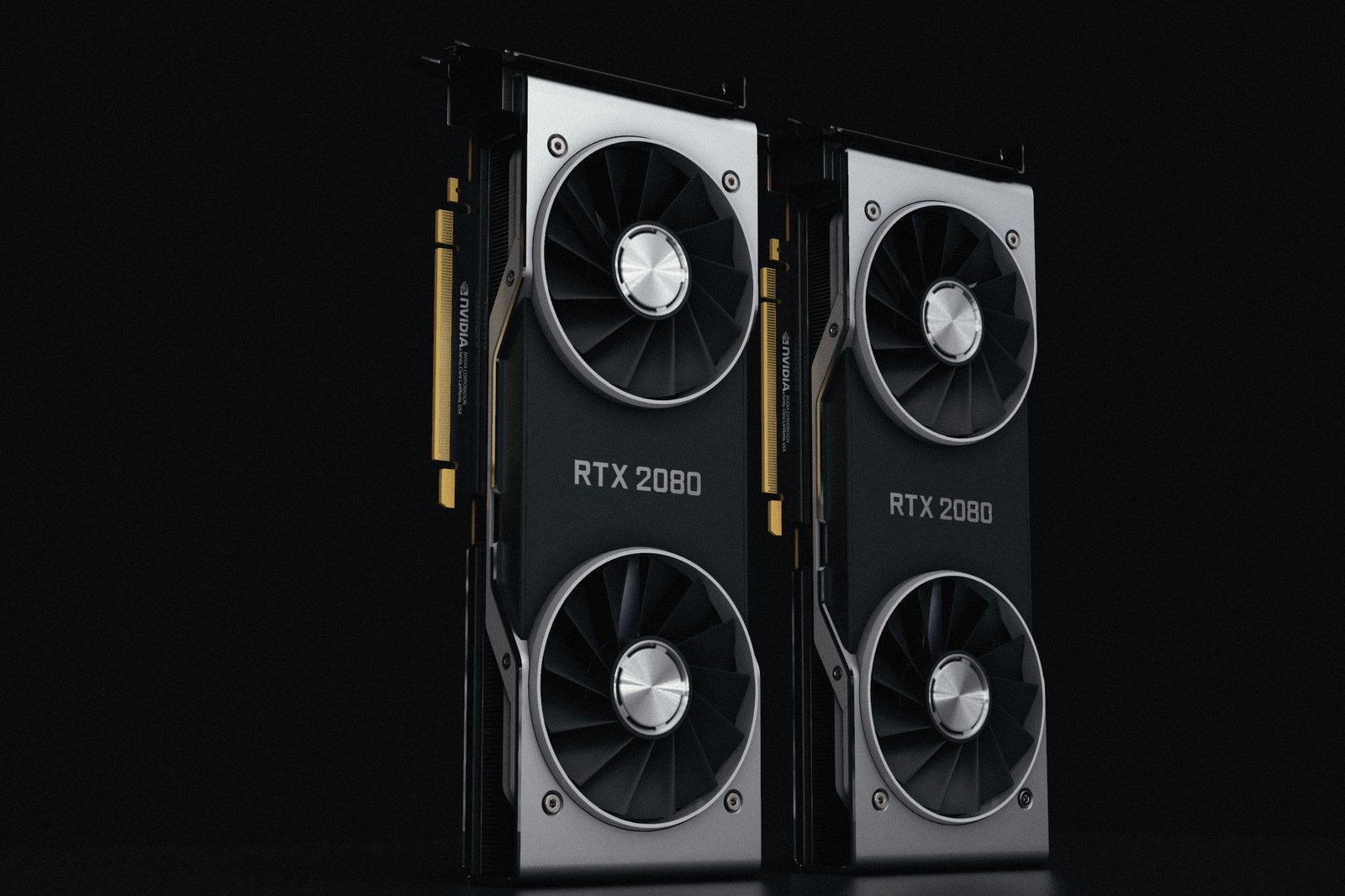
To understand why this matters beyond corporate headlines, consider how central Nvidia has become. Its graphics processors power much of the world’s AI training, from cloud data centers to the consumer devices that increasingly run smart features locally. Analysts have repeatedly pointed out that the company’s market position rests on supply reliability and clear governance. When investors and regulators start questioning whether leadership is being straight with them, the ripple effects can reach product roadmaps, pricing, and availability. Anyone planning a gaming rig upgrade, a workstation purchase, or a cloud AI deployment should keep an eye on how these governance questions resolve.
There is also a broader lesson here about how the tech industry handles executive accountability. Many of today’s most influential companies are led by founder-style figures whose personal brands are nearly inseparable from their businesses. This case shows how quickly that dynamic can flip, turning a celebrated visionary into the central question of an investigation. Boards are being pushed to prove they have real oversight, and shareholders are demanding transparency that goes beyond polished earnings calls.
What This Means for Your Next Tech Purchase
For everyday shoppers, the immediate impact may be limited, but the signals are worth watching. Leadership changes at a chipmaker can influence which product lines get priority, how quickly new GPUs reach store shelves, and whether prices hold steady or climb. If the investigation uncovers export control issues, we could also see tighter restrictions affecting which hardware can be sold in certain markets. Smart buyers tend to track these developments before committing to big-ticket purchases, especially in fast-moving categories like AI-capable laptops and high-end graphics cards.
At IntentBuy, we believe the real story is how much consumer confidence depends on trust in the companies behind our favorite gadgets. When a company as influential as Nvidia faces questions about candor, shoppers naturally reconsider where they spend their money and which brands they back for the long haul. Watch the investigation closely, compare options carefully, and factor company stability into your buying decisions, because the next wave of tech adoption will reward brands that earn and keep the public’s trust.