
A Scientific Milestone That Could Reshape Medicine
Researchers in Australia report that they kept a donated human liver alive outside the body for seven weeks, more than tripling the previous record of roughly two weeks. The team linked the organ to a system of automated pumps and sensors that delivered nutrients, supplied blood, and removed waste. If the result holds up under scrutiny, it points toward a future where damaged organs can be stabilized, repaired, or even grown in controlled environments. The implications reach well beyond transplant logistics. Preservation science sits at the heart of regenerative medicine, and every extra week of stable function gives engineers more time to study how organs behave and fail. Some researchers are already exploring the far more speculative frontier of artificial wombs, though that remains a distant prospect.
Why a Billion-Dollar Battery Deal Signals a Strategic Shift
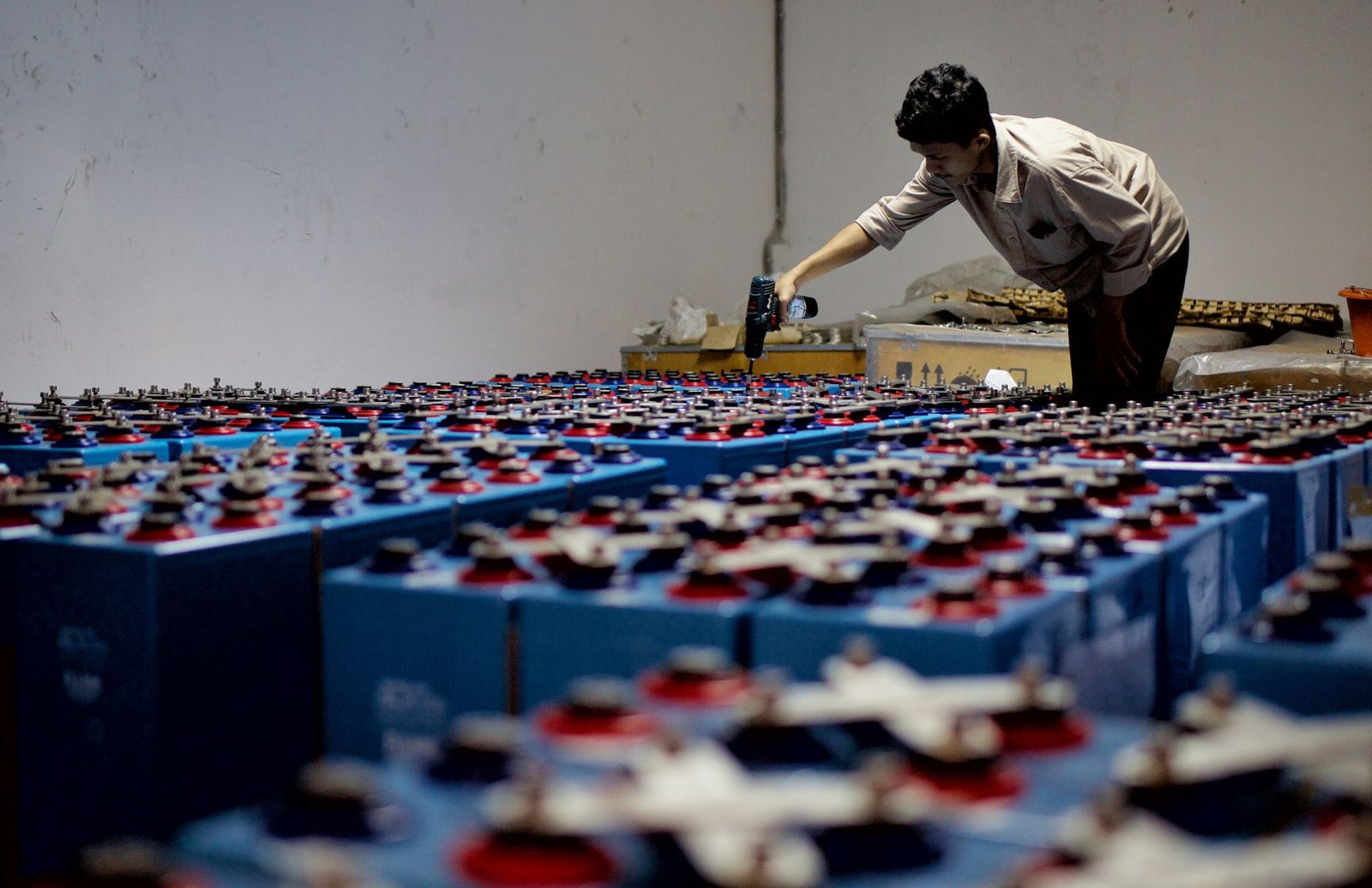
After several high-profile setbacks for next-generation battery companies, Sila’s agreement with Panasonic Energy stands out. The deal to supply silicon-carbon anode material could be worth more than $1 billion and gives Sila a major partner to scale manufacturing. Silicon-carbon anodes promise higher energy density than conventional graphite, which could translate into smaller, lighter batteries for phones, laptops, power tools, and electric vehicles. Yet the financing behind the project tells a broader story. The facility is supported by a $1.4 billion loan from the Defense Department, reflecting how battery policy in the United States is increasingly shaped by supply chain security and geopolitical competition rather than climate targets alone. For buyers, the practical takeaway is that domestic capacity for advanced battery materials may expand, but the pace will depend on government priorities as much as market demand.
Separating AI Progress From Marketing Noise
Artificial intelligence continues to dominate headlines, and the scale of investment is hard to ignore. Anthropic’s reported $81 billion public offering, the largest stock market debut on record, underscores how much capital is chasing AI leadership. At the same time, the industry faces questions about safety, energy use, and whether revenue growth can justify valuations. Projections that AI datacenters could drive a roughly 70 percent rise in emissions by 2030 illustrate the physical cost behind the software. Tools like the AI Hype Index exist for a reason: readers need a grounded view of what is real, what is promised, and what is simply repackaged enthusiasm. Healthy skepticism is not anti-innovation. It is the discipline that helps separate durable breakthroughs from temporary excitement.
For consumers and businesses, these stories converge on a single question: what is ready to buy today? Advanced batteries could improve the next generation of smartphones and electric vehicles, and organ preservation may eventually reshape healthcare purchasing decisions. AI features are appearing in nearly every product category, but shoppers increasingly evaluate them on concrete benefits rather than buzzwords. As the hype cycle matures, buyers who track real performance data, supply chain developments, and independent reviews will be better positioned to invest in technology that delivers lasting value rather than fleeting headlines.