
A Clause That Read Too Broadly
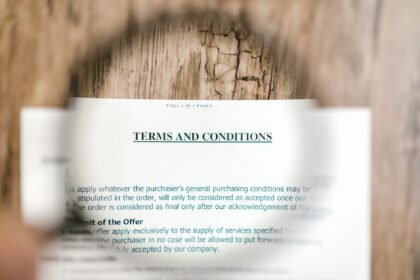
Few lines in a terms of service document get read closely, but when Meta quietly updated the commercial terms for its business accounts, one sentence drew immediate attention. The company stated it could use any content from a business account’s domains, web pages, or URLs to provide, develop, improve, research, and train its products and services. For publishers and independent site owners who had set up Meta business pages, that wording suggested a sweeping license over everything they had published online.
Legal observers who reviewed the language described it as a remarkable provision. Read literally, it could give the company permission to pull content from any site linked to a business account and feed it into machine learning systems. That interpretation landed at a sensitive moment. Lawsuits over copyright and training data are still working through courts, and Meta itself has faced litigation on the question even after winning a high-profile case last year.
A Company Pushing Back on the Reading
Meta responded that the update did not signal any change in how it crawls the web. A spokesperson argued the language was a consolidation of existing rules rather than a new power grab. That distinction matters. Companies often argue that their practices have not shifted, while the written text they publish is what users and lawyers actually rely on. When the wording and the stated practice diverge, skepticism is a natural result.
The company has since removed the provision. Its statement said the crawling terms applied only to its ads and business products and that the terms had been clarified to say so. It also reiterated that the change does not alter how Meta uses web crawlers. Whether the earlier wording was an honest drafting error or an overreach that got caught is a question readers can weigh for themselves. What is clear is that the removal followed public scrutiny rather than preceding it.
Why Creators and Buyers Should Care
The episode is a reminder that the terms attached to everyday tools carry real consequences for the content people publish. Businesses that rely on social platforms for reach increasingly want to know whether their articles, product photos, and reviews might be repurposed to train AI systems. Publishers have spent the past two years negotiating licensing deals and blocking crawlers, and clauses like this one undercut those efforts if they stand unchallenged. Transparency in terms is becoming a competitive issue as much as a legal one.
For shoppers and tech adopters, the story also shapes trust in the platforms they choose to buy from and advertise on. When a company removes a controversial provision after pressure, it signals that user and publisher concerns can move policy, but it also shows how quickly language can slip through without comment. Anyone evaluating a new AI-powered service, ad tool, or business dashboard now has good reason to read the fine print before committing budget or content. As AI features get bundled into everyday purchases, those terms are part of the true price of the product.